This weekend is the Labor Day holiday. I had been doing research on Equality Colony near where our house is in Washington State for a future podcast. The episode isn’t supposed to come out until November sometime, but since I already had the script ready and the topic was more appropriate for Labor Day, I thought I’d post a version of the script. Even if you read this, please listen to the podcast audio when it comes out, too.
The title of this post is taken from a 1936 speech by Democratic National Chairman James Farley, reflecting the region’s strong radical labor and communist movements during the early 20th century. With that bit of foreshadowing, here’s the script…
I’m back in the Pacific Northwest for a few weeks, so I thought I’d do another lost community from Washington State. Samish, Atlanta, and Skagit, which I covered in previous episodes, at least had some connections to North Carolina through logging. Today’s town had logging as its main industry, but didn’t have any close connections to the Southeast.
If you haven’t guessed by now, I have a fascination with communal societies. Not that I want to join one or, heaven forbid, found one. I’m just fascinated with the idea that people want to pull up stakes and completely change their way of life for an ideal, be it religious, philosophical, or political.
This was easier when much of America’s land was undeveloped. There were wide open spaces where groups could settle apart from those with differing opinions. These types of groups still exist, but now it seems most of those societies have moved into cults or moved online.
The Kingdom of Happy Land, Happyville, Purysburg, and Cokesbury from previous episodes would fall into this category. Today’s town was founded on political ideals, with the ultimate goal of completely taking over the new state of Washington. Today we look at the town of Equality, located in the Skagit Valley of Northern Washington.
When Marx and Engels wrote the Communist Manifesto in 1848, it wasn’t just Russia that was paying attention. These political philosophies spread throughout Europe as well as the United States. The US took a bit of a detour through a Civil War, but by the late 1800s there were socialist groups popping up all around the country. Many of these groups were in response to what they saw as wage slavery, and to low pay and terrible working conditions. The Economic Panic of 1893 caused a run on the banks, as well as strikes led by socialist leaders such as Eugene Debs. Progressive movements such as labor unions and women’s suffrage groups often allied with the growing socialist movement.
One of these groups was the National Union of the Brotherhood of Cooperative Commonwealth, or BCC, founded in St. Louis by Normal Wallace Lermond. Lermond stated the following:
The people must be aroused from their present lethargy, indifference, and despondency. The country must be stirred from center to circumference. And the quickest and best way to do this is by colonizing a state such as Kansas was colonized prior to the Civil War. The example thus set would be contagious, and neighboring states would not be slow to follow the same road.
A large number of representative students and advocates of social reform are profoundly interested in the proposed organization at St. Louis on July 24 of the Brotherhood of the Cooperative Commonwealth, the principal object of which will be to educate the people in the principles of industrial freedom. The promoters of this grand idea believe that it is patent to all the world that the present condition of warring interests, miscalled civilization, has reached the climax of its development, and until a new social order expressive of the central law of universal life, the brotherhood of man and solidarity of human interests is evolved, the cause of this nation, as of all others, will be steadily downward. Every lover of justice and humanity, every enlightened mind and brave heart should rally to the noble task of teaching the people a better way than the present poverty-breeding, crime-producing system of competition.
I found several other news articles about the BCC. One from 1896 said that the “Brotherhood of the Cooperative Commonwealth is spreading through Maine. It is a new secret organization.”
The BCC had three main goals:
to educate people in the principles of socialism;
to unite all Socialists in one fraternal organization;
to establish cooperative colonies and industries, and so far as is possible, concentrate these colonies and industries in one State until said State is socialized.
It was that last goal that led to the foundation of Equality Colony.
Washington State seemed like the ideal target for the BCC’s project. It had just recently become a state, it was sparsely populated, and it had abundant natural resources. BCC member Ed Pelton purchased 280 acres in the Skagit Valley in September of 1897, and by November of that year the first members met to formally organize the Equality Colony. The name came from a novel by socialist author Edward Bellamy, also entitled Equality.
BCC had granted $10,000 for the settlement. Membership in the colony cost $160 per family. With these funds Pelton and the others purchased more land until the colony reached 600 acres. More settlers arrived and began clearing the land. They also began work on buildings needed for the colony.
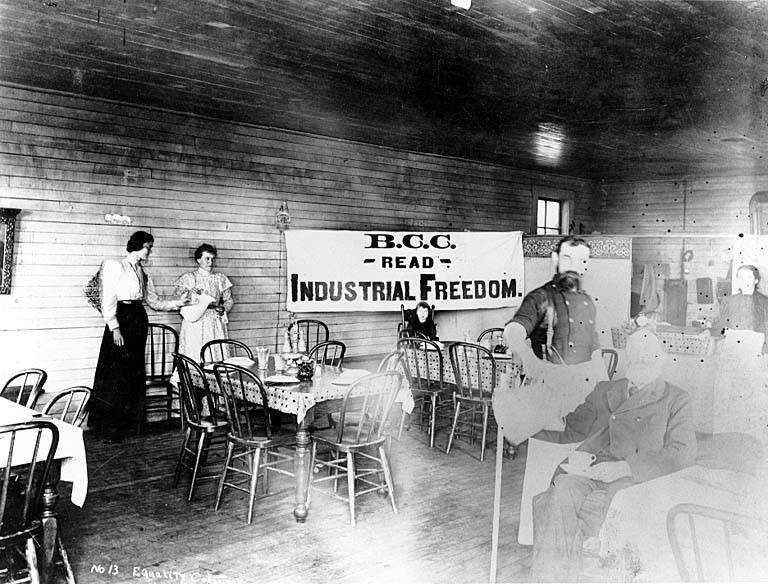
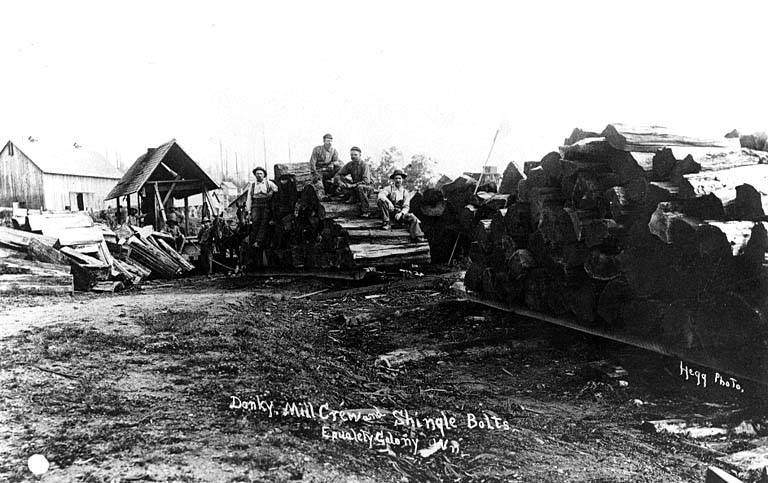
The first building was a community dining hall. Under Pelton’s leadership “a sawmill and shingle mill were built, along with barns, a cereal coffee factory, a school and other necessary structures,” according to historian Ray Jordan. Jordan goes on to say that, “Weekly town meetings were held at which democracy was the word. All over 18 could vote. Women were paid the same for six hours of work as the men were for eight. There were no policemen, no jail, no saloon, and no church. Scip was used in lieu of money.”
Equality Dining Hall
I’d never heard of “cereal coffee” and had to look it up. According to Wikipedia, it is a “hot drink made from one or more cereal grains roasted and commercially processed into crystal or powder form to be reconstituted later in hot water. The product is often marketed as a caffeine-free alternative to coffee and tea, or in other cases where those drinks are scarce or expensive.” Cereal coffee, timber, and other farm goods were the major products of the colony.
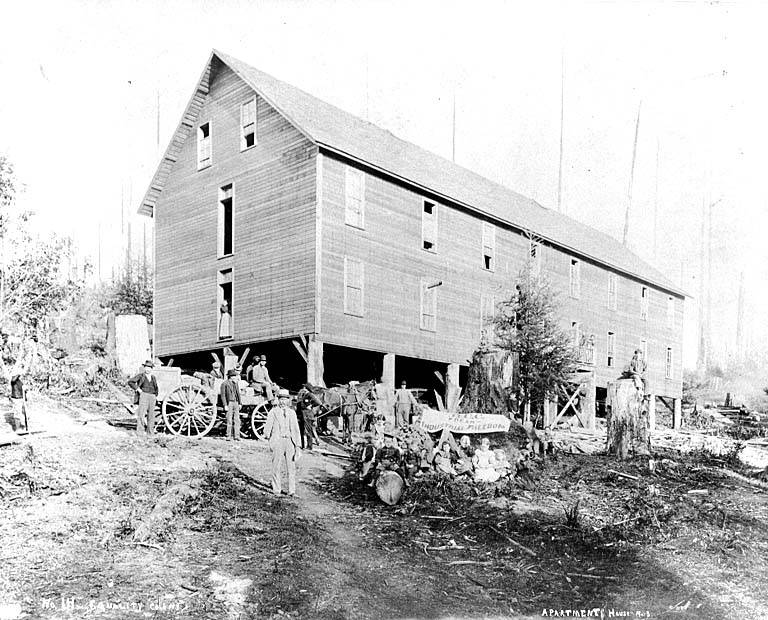
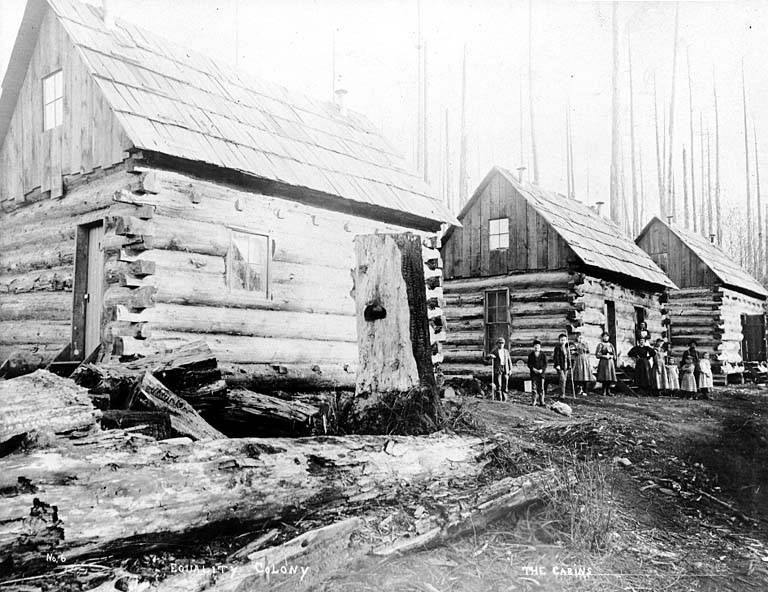
The settlers needed housing. An apartment building and several log cabins were built for the families. Meals were served in the communal dining hall.
A reporter from the Seattle Intelligencer paid a visit to the colony and had these observations:
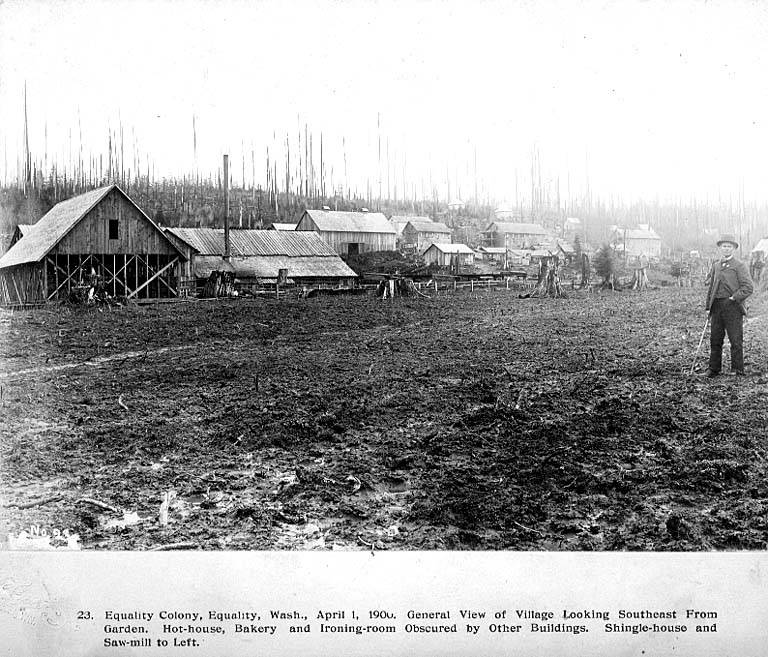
The site selected for the city is upon high land lying about two miles from the Ediston wharf, and commands a fine view of the Puget Sound.
Adjoining this are the present buildings at Equality, consisting of two large three-story frame buildings and five smaller log houses….
The largest log house is used for a dining room, to which all come for their meals. The laundry, stables, blacksmith shop, saw mill, planer and shingle mill are not far away. Twenty-one horses, twenty cows, and six hogs comprise the livestock. A nursery in which are planted 25,000 one year-old fruit trees, 15,000 berry bushes and a large assortment of rose bushes, etc., is in charge of a trained horticulturalist, who has had ten years’ experience at that business in the state.
This year the socialists will plant eighty acres in oats, fifteen acres in potatoes, ten acres in garden vegetables, five acres in root crops for stock and raise about 50,000 heads of cabbage. Sixty acres of meadow will be cut for hay.
At the time of this article there were about 225 inhabitants of Equality Colony. Catherine Savage Pulsipher moved to the colony as a child, and had this recollection of life in Equality:
Colonists who arrived in wagons turned their teams over to the community effort. Farm work was done by these teams and the community owned equipment. Much grain was raised and made into a dry cereal similar to today’s “Wheaties” and “Corn Flakes,” but without added sweetening. An expert from a large New York State factory headed this enterprise. Members objected to eating this “dry fodder” and were permitted to use sugar on it. A group of Swiss tended the dairy herd and made the cheese and butter. A fishing fleet to which my younger brother Harry was assigned brought in food from the Puget Sound. All surplus food was sold outside. Garden seeds and flower bulbs were also raised and sold outside. There was a tailor shop where garment workers kept busy and a dress shop where the ladies did sewing of all kinds. A central laundry and ironing room was operated by women who liked that type of work. My mother, Georgetta Adelia Savage, worked in the assembly kitchen and dining room while I was put into a community school and nursery. School was taught by those best qualified.
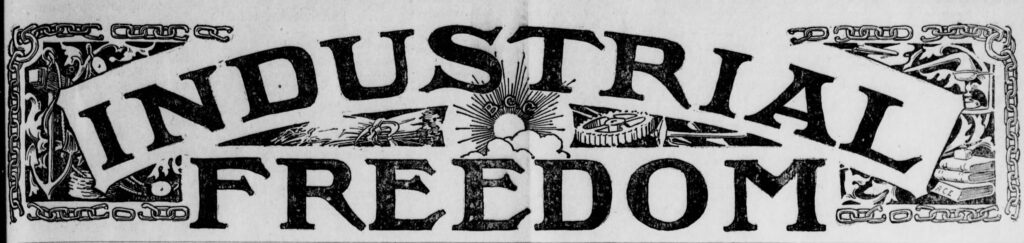
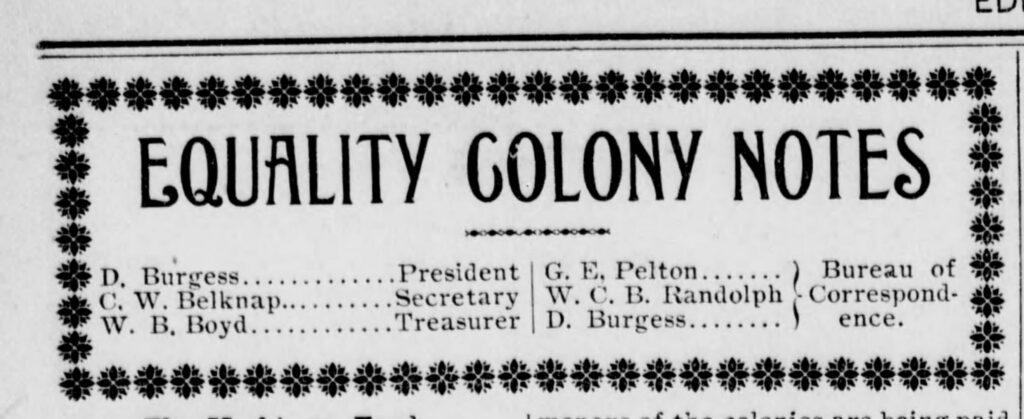
The Brotherhood set up headquarters in the nearby town of Edison. There, they also set up a printing press where they started publishing a newspaper for the colony called Industrial Freedom. According to Ray Jordan, “The colony newspaper, Industrial Freedom, served a dual purpose, to inculcate goals for the residents, lift their spirits and encourage group effort, along with serving as a fund-raising medium to people on the outside.”
Here are a few of the announcements in the newspaper:
Carpenters who can comply with our fraternal requirements of membership can find a steady job at Equality Colony.
Comrade Bert Savage, wife and child are here for our anniversary celebration. Mrs. Savage is Comrade Halladay’s daughter. We are always glad to see old residents.
Mrs. R. S. Jones of San Francisco, California, has made Equality Colony library a magnificent donation. A big box of reform magazines, papers and standard magazines throughout the country. It is written that we cannot live by the bread and meat side of life alone, and this intellectual feast will fill a long felt want.
Comrade Davis took a little vacation the early part of this month. We missed his bread and cookies while he was gone.
Comrade DeArmond, our general foreman of colony work, will put in a fish trap tomorrow, and we will salt and smoke salmon for future use. This will not nly save us money, but will give us a change of diet.
The newspaper ran ads for colony goods, as well as ads for other local businesses that were not part of the colony. Industrial Freedom gives us some of the best insight into life in Equality, if not just a wee bit biased. The newspaper has been digitized and is available online on the Library of Congress’s Chronicling America website. I’ll post a link in the show notes.
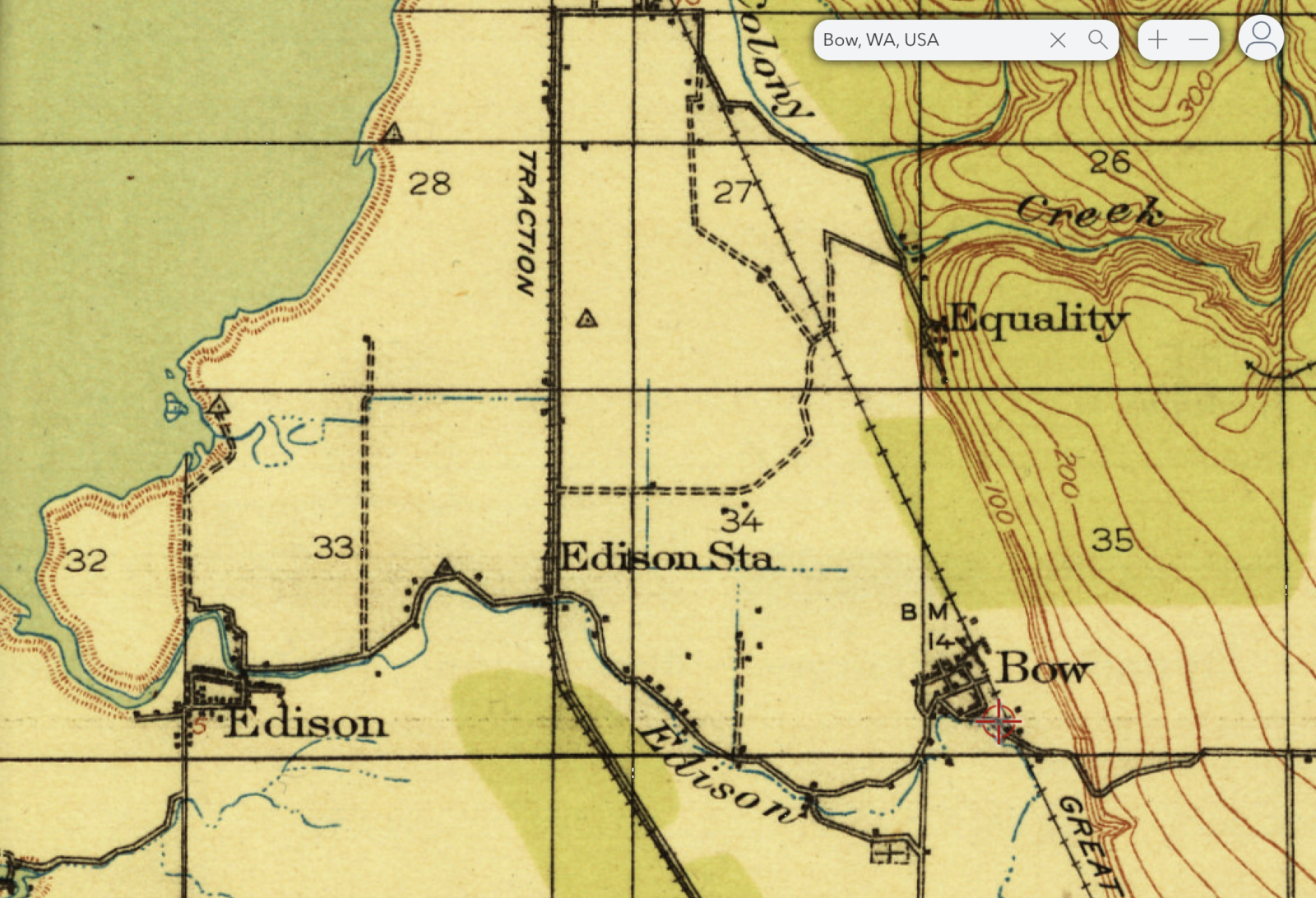
From all reports, the “comrades” of the colony got along well with other citizens of Skagit Valley. The men of the colony often took work in local communities like Edison, Bow, and Blanchard to get supplies and funds for the group.
The colony thrived, but the dream of turning Washington into a socialist state would never be realized. As we’ve seen with so many of these Utopias, it never lasts. In 1962, Seattle Times reporter Charles Easton put it this way:
For some time, possibly four years, the colony prospered. The land was fertile, the workers efficient and the leadership skilled and respected. But there is a serpent in every Eden and Equality professed to be an Eden of sorts.
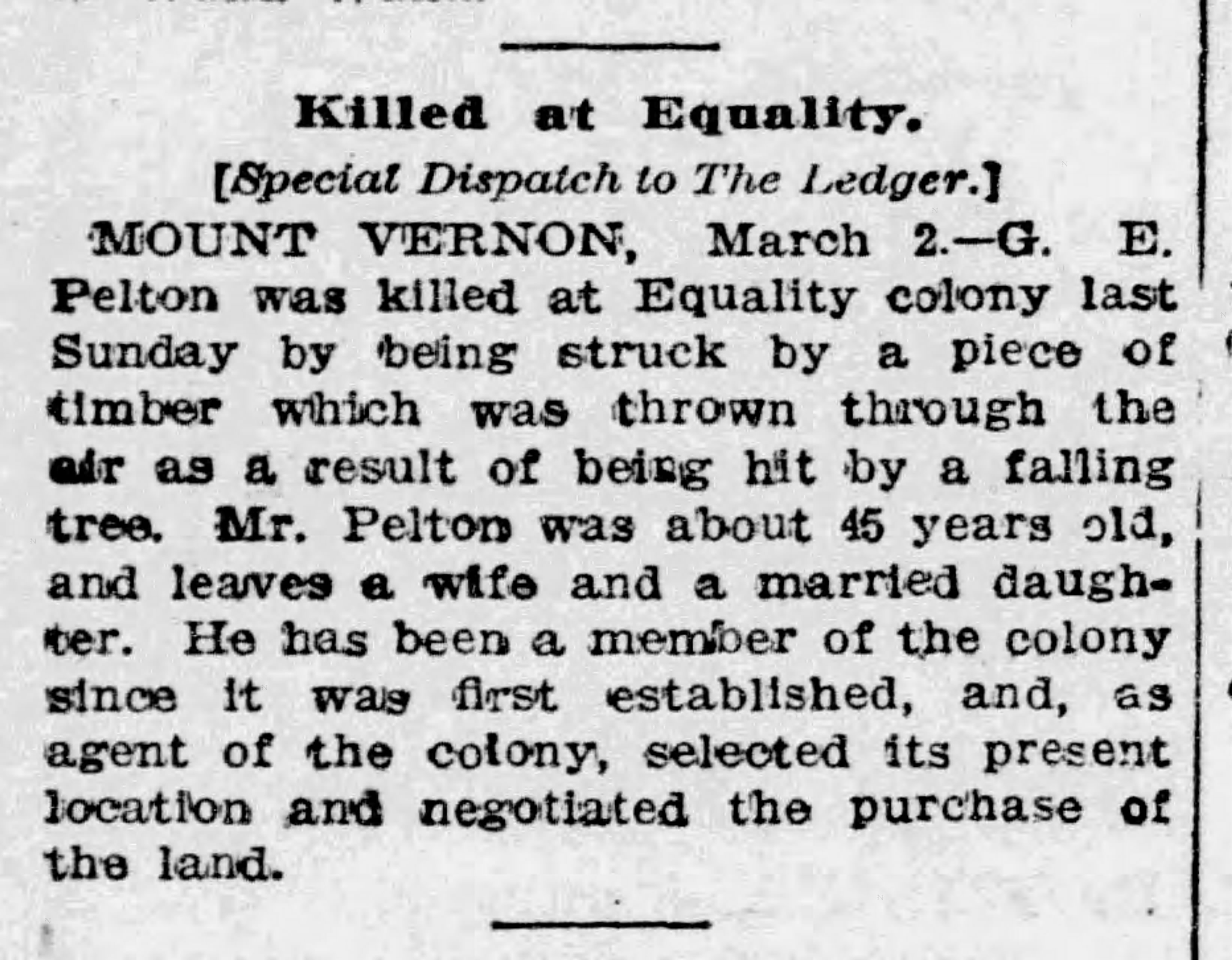
By all reports, Ed Pelton was a dynamic leader. He oversaw construction of Equalities facilities, and managed to keep disparate factions in check during the colony’s weekly meetings. Sadly, in 1901, tragedy struck. The Tacoma Daily Register reported on an accident at Equality.
Killed at Equality
G. E. Pelton was killed at Equality Colony last Sunday by being struck by a piece of timber which was thrown through the air as a result of being hit by a falling tree. Mr. Peloton was about 45 years old, and leaves a wife and a married daughter. He has been a member of the colony since it was first established, and, as agent of the colony, selected its present location and negotiated the purchase of the land.
In the wake of Pelton’s death, arguments broke out over how the colony was to be governed. The original colonists were firm in wanting to carry on Pelton’s socialist legacy. Later residents leaned more toward anarchy and abolishment of any kind of rules. Weekly meetings turned into nightly meetings as each faction pushed forward their agenda. In the process, no decisions were made and the colony stagnated.
Then there were the freeloaders. These men (and they were pretty much all men) would arrive in the colony. They didn’t have the $160 for the membership, but offered to work off that debt in exchange for housing and food. That rarely happened, with these men consuming more resources than appropriate for the work and income they provided. These men put a strain on the colony’s resources and finances.
Another financial burden and point of contention was the Brotherhood of Cooperative Commonwealth itself. The BCC had leased expensive offices in the nearby town of Edison for both the organization and the printing press. There was some resentment among the colonists because these offices were located in town and not in the colony itself. They were also not happy for having to support the BCC in addition to keeping the colony alive. It was beginning to get unsustainable. As one resource put it, it became a “chicken and egg” question. Did the Brotherhood exist to support Equality, or did Equality exist to support the Brotherhood?
In 1905 Alexander Horr arrived from New York with a new group of settlers. Horr had radically different ideas from Pelton. Instead of cooperation, he thought that competition among the colonists was the way to go. Horr prevailed and reorganized the colony, renaming it Freeland, not to be confused with the Freeland on Whidbey Island.
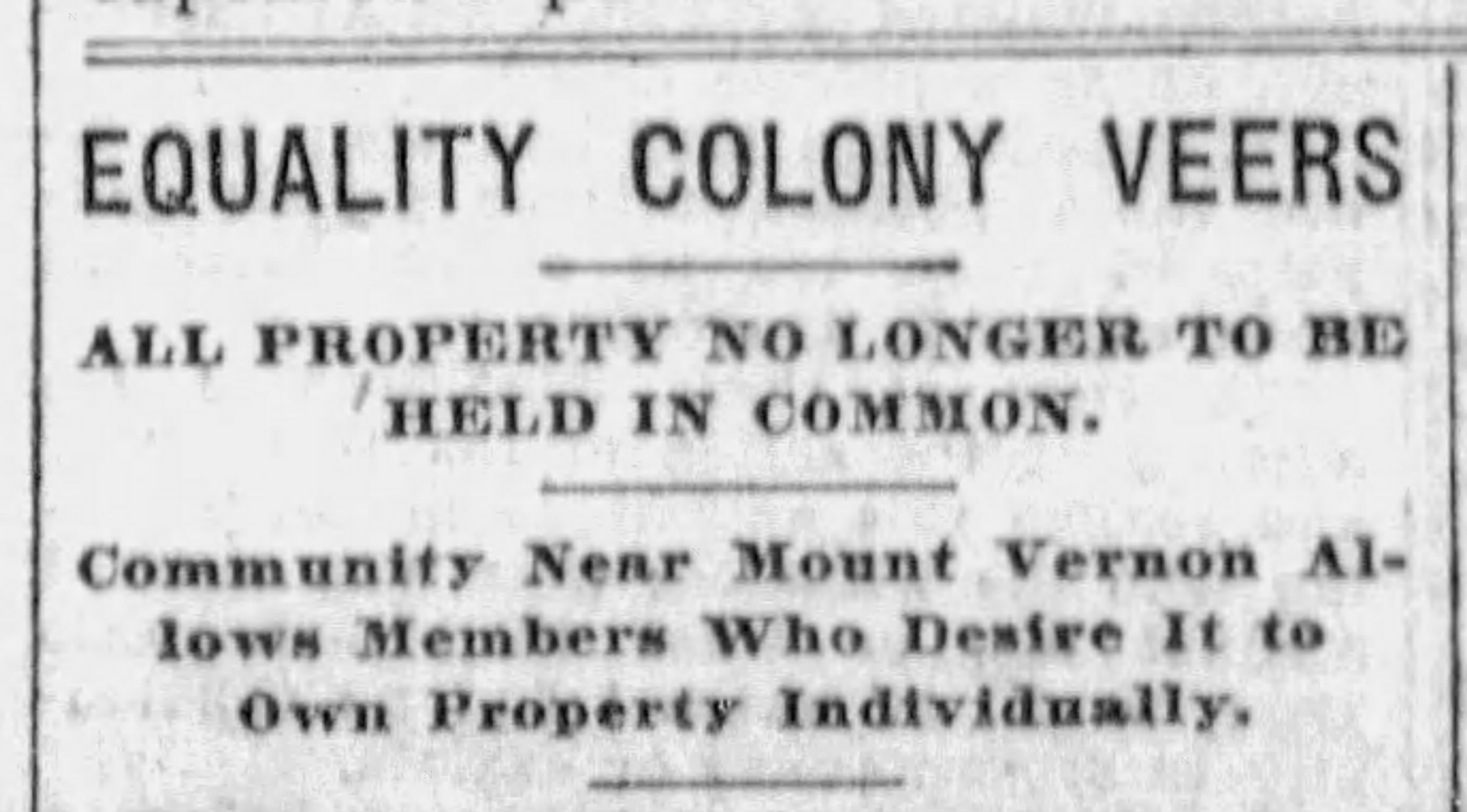
Community near Mount Vernon allows members who desire it to own property individually
It is now definitely known that Equality colony, which owns several hundred acres near Bow, this county, is about to change its form of organization and its name. About the middle of January or the first of February a new system of government will go into effect. Hitherto all property has been held in common, but under the new system those persons who desire to holland land individually can do so, and those who wish to continue on the old plan of holding property in common will have that privilege
The system is what is known as “individualism in socialism.”
The name of the colony will be changed from Equality to Liberty. It is reported that a wealthy Jew of New York is at the head of the movement for reorganization.
The Seattle Intelligencer also reported the new name as Liberty, but said that it would be part of the “Freeland System.” Ultimately, the name Liberty was discarded in favor of Freeland.
Things came to a head in 1906 when a massive fire destroyed the colony’s barn and several other buildings. The fire killed livestock as well as tools and other resources. The fire was attributed to arson, and each faction blamed the other. The real culprits were never discovered.
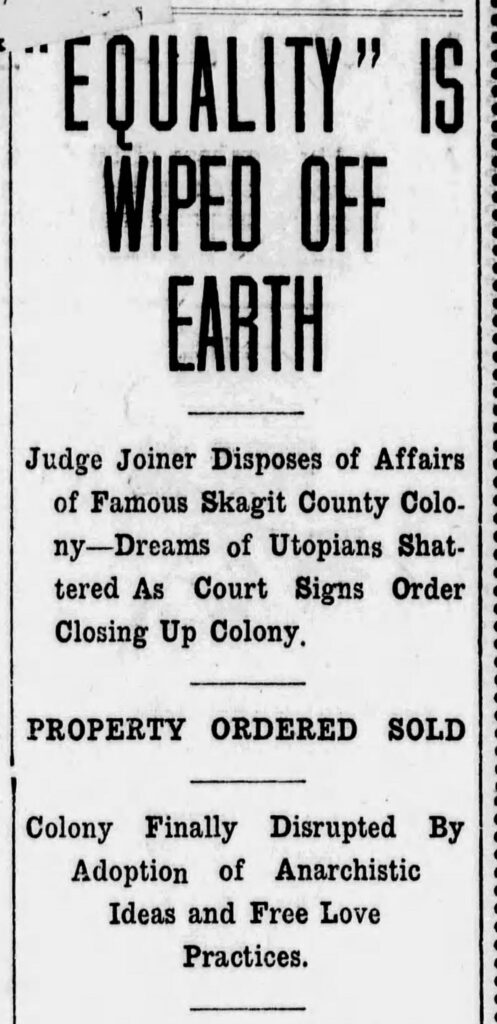
The fire was a devastating loss. With mounting debts and diminished resources, the colony went into receivership. In 1906 the Aberdeen Herald reported that “E. W. Ferris has been appointed receiver for the Freeland Colony, a communistic settlement in Skagit County, formerly the Equality Colony. Creditors made the application.”
Judge George Joiner issued a ruling that the colony was to be dissolved and its property sold to settle debts. Legal wrangling over property ownership went all the way to the state supreme court and wasn’t ironed out until 1911. By that time the former colony land had reverted back to farmland.
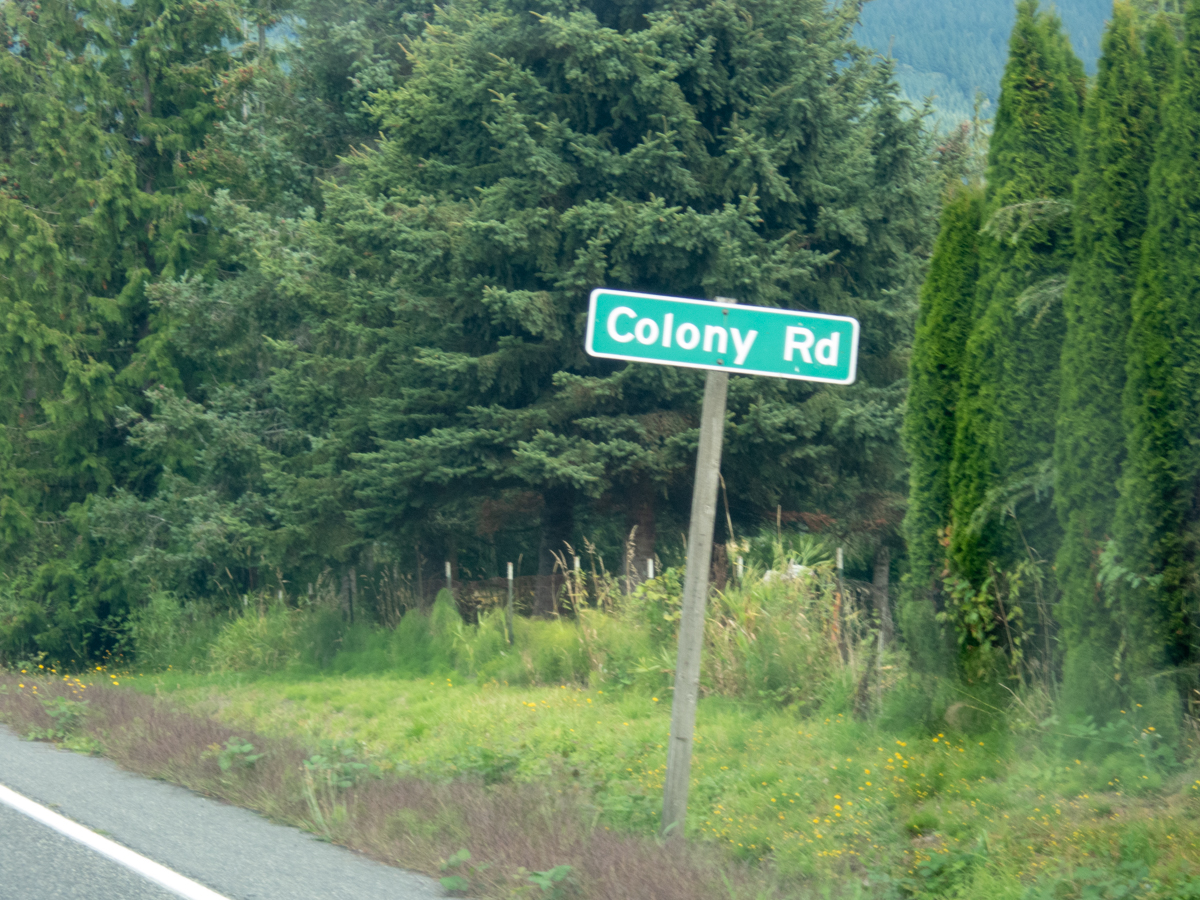
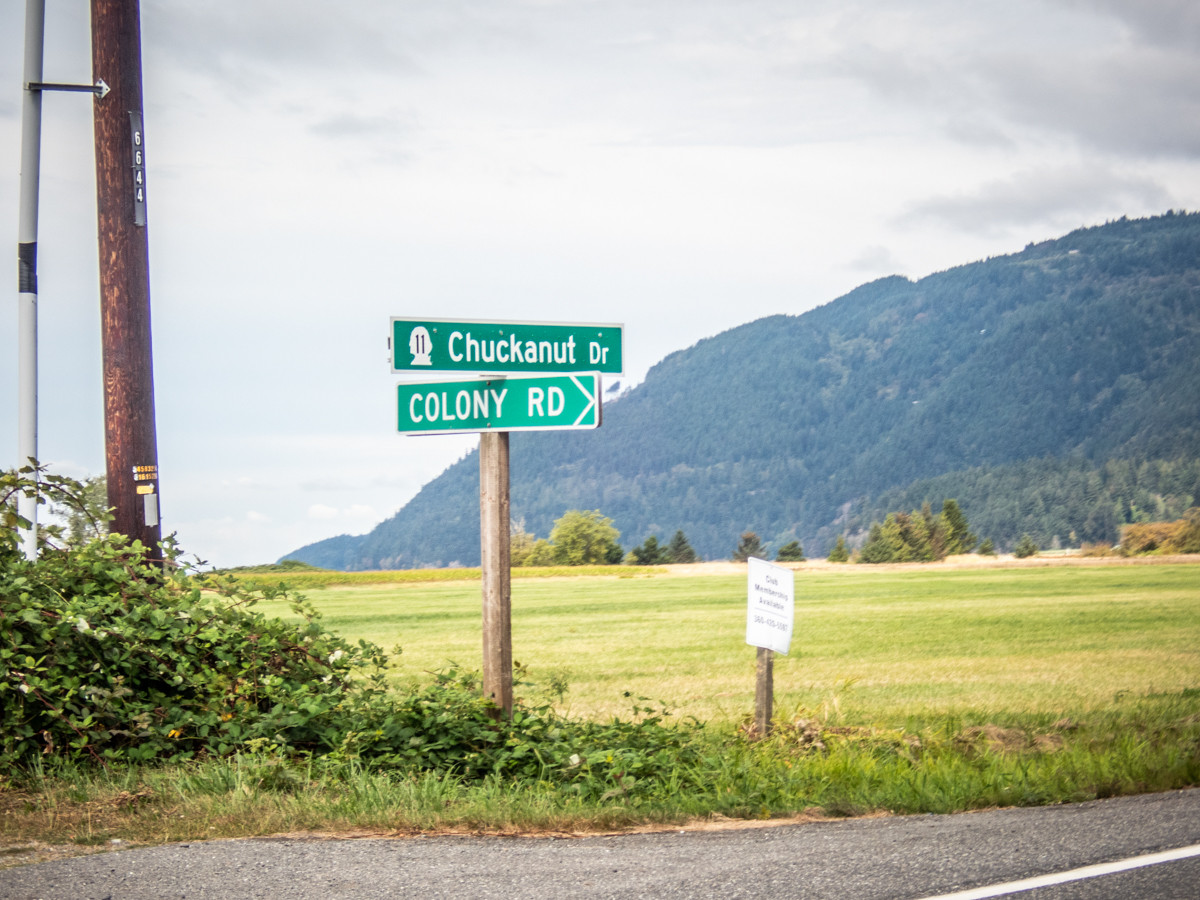
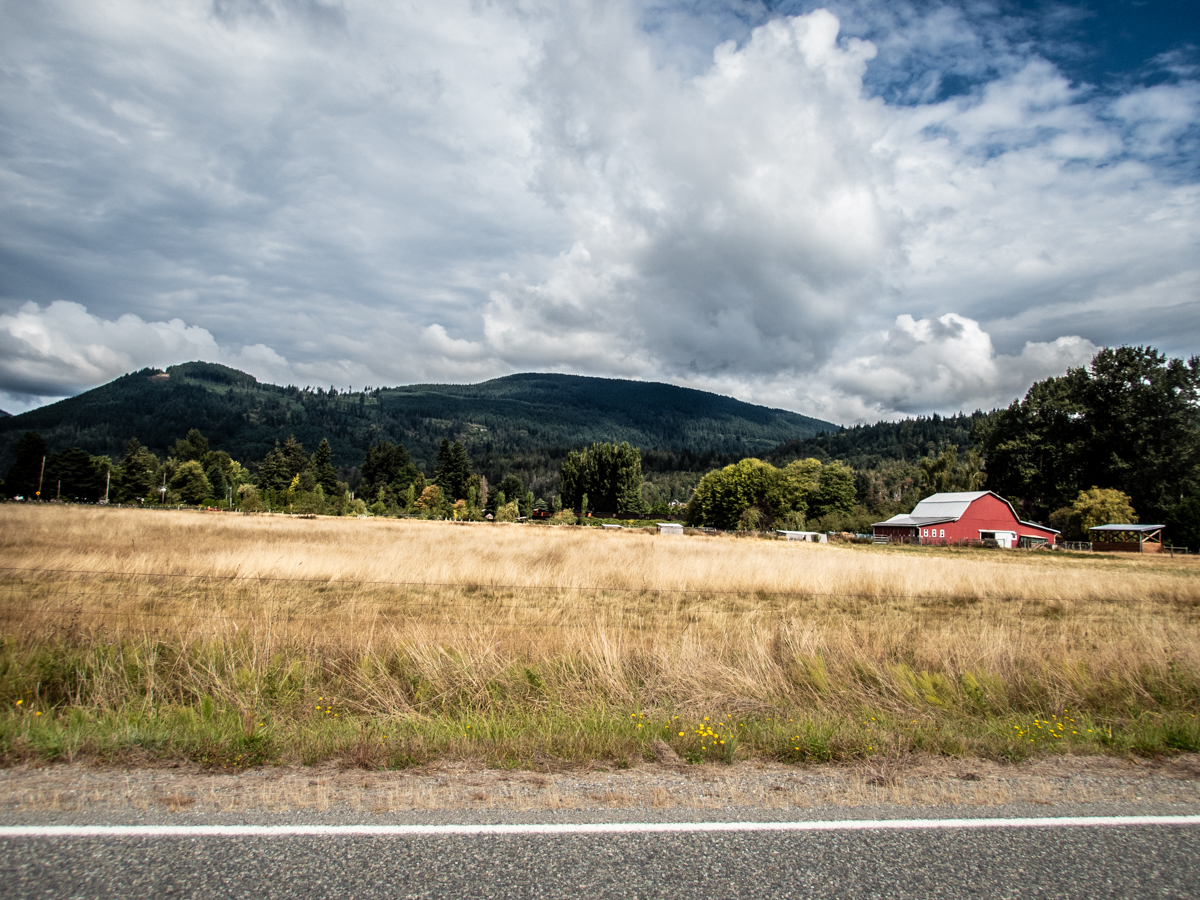
The buildings that once housed Equality Colony are long gone, but there are some vestiges of the community left. Colony Creek flows into Samish Bay on the Puget Sound. Colony Road runs through the community’s former property. The community of Blanchard, just north of the colony site, is still an active farming community.
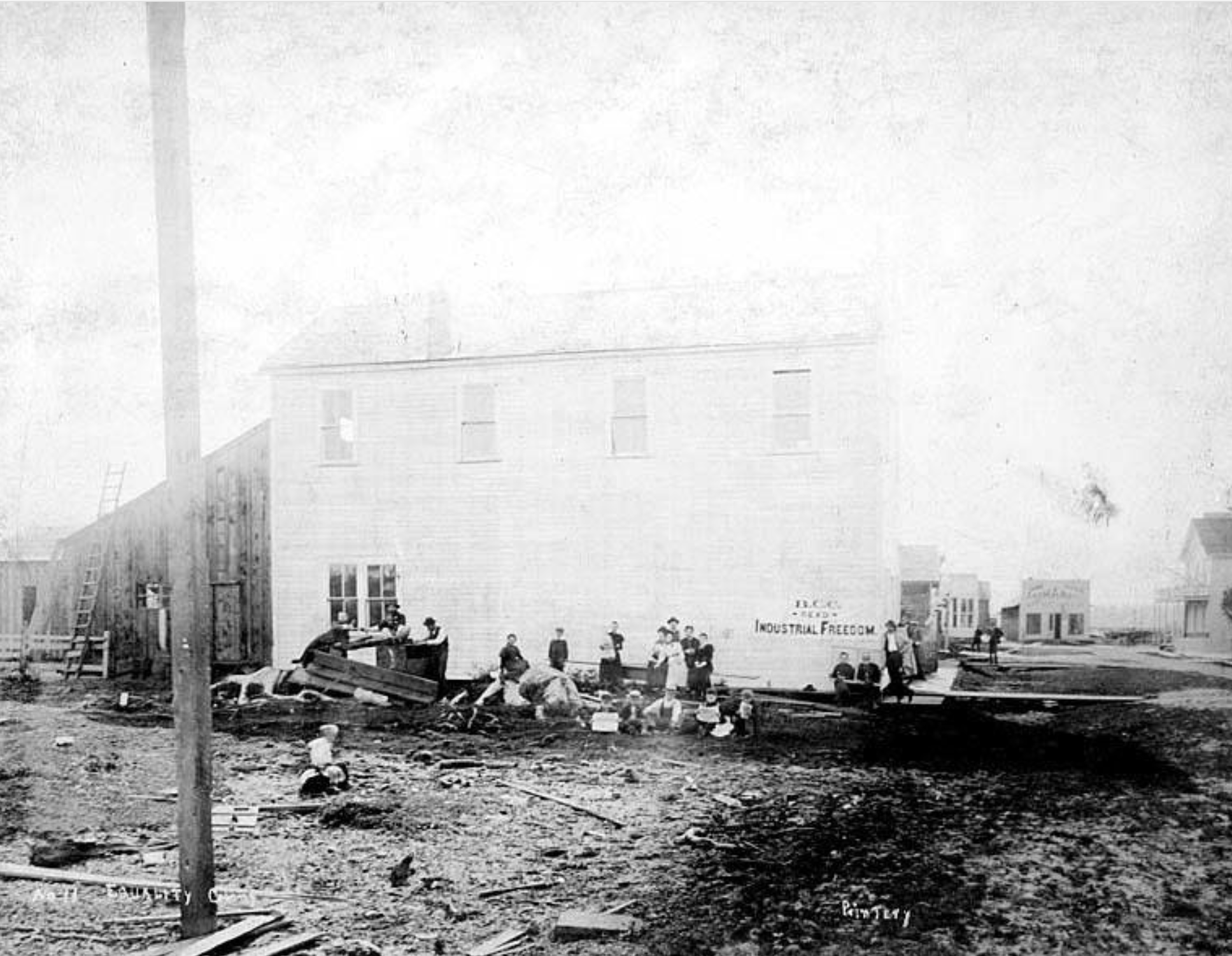
Comparing an image I found in a Washington State University doctoral dissertation with current images from Google Street View, I think I’ve found the location of the BCC’s headquarters and printing press. The image from Cassandra Crisman’s 2026 dissertation shows a three-story building with a sign that says “B. C. C. Read Industrial Freedom.” The building is no longer there, but in the background I can clearly see buildings that now house the Breadfarm Bakery and Longhorn Saloon, places I’ve visited many times.
Washington did not become a socialist state, though some politicians like to argue otherwise. Yet, Equality wasn’t the only socialist experiment in the state. Burley on the Kitsap Peninsula was founded by a similar socialist movement. It still exists as a community. Home on Key Peninsula across from Tacoma was originally an anarchist community. There was also the community of Glennis and the Puget Sound Cooperative Colony, neither of which are still around.
The breakaway colony of Freeland, founded by former Equality settlers, now exists as the town of the same name on the south part of Whidbey Island. It boasts a population of about 2000, as of the 2020 census.
To learn more about Equality Colony, check out Noel Bourasaw’s excellent website Skagit Valley Journal.
One thought on “The Soviet Republic of Washington”
Fascinating article!! I was raised Mormon and find interesting similarities.

Fascinating article!! I was raised Mormon and find interesting similarities.