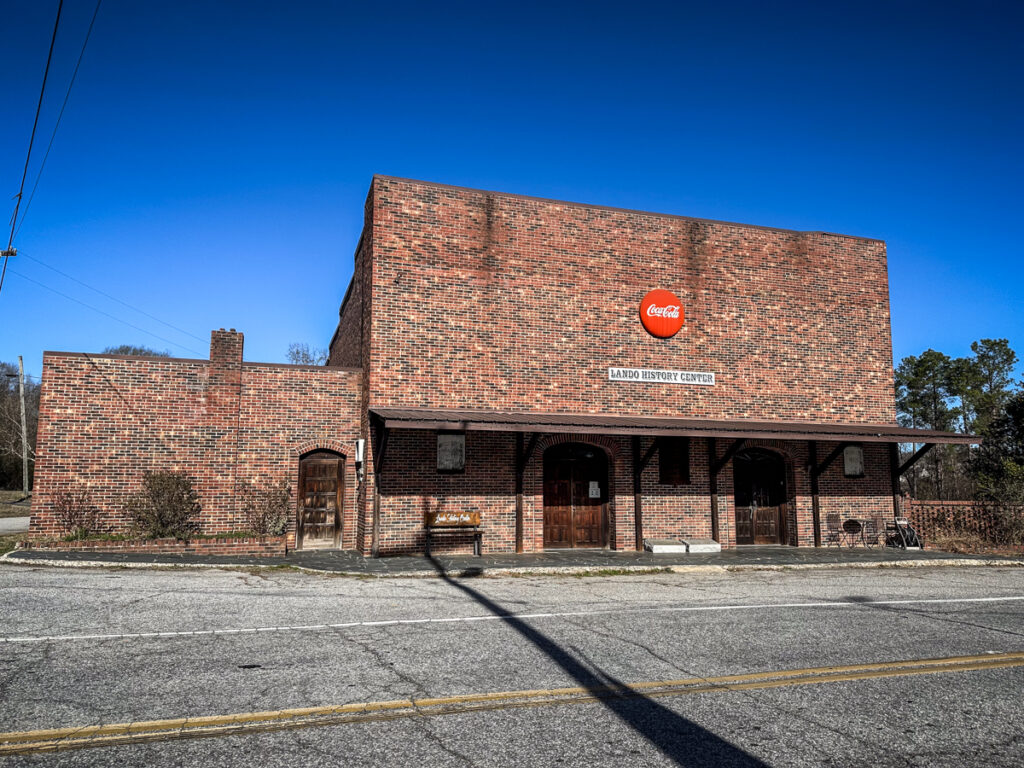
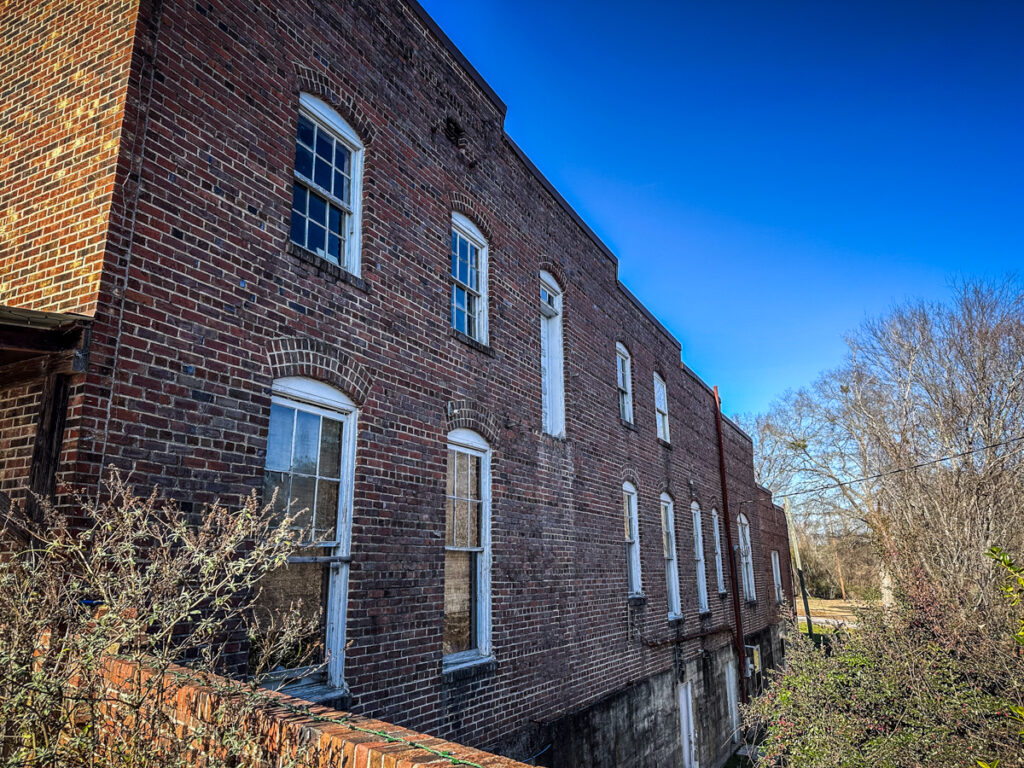
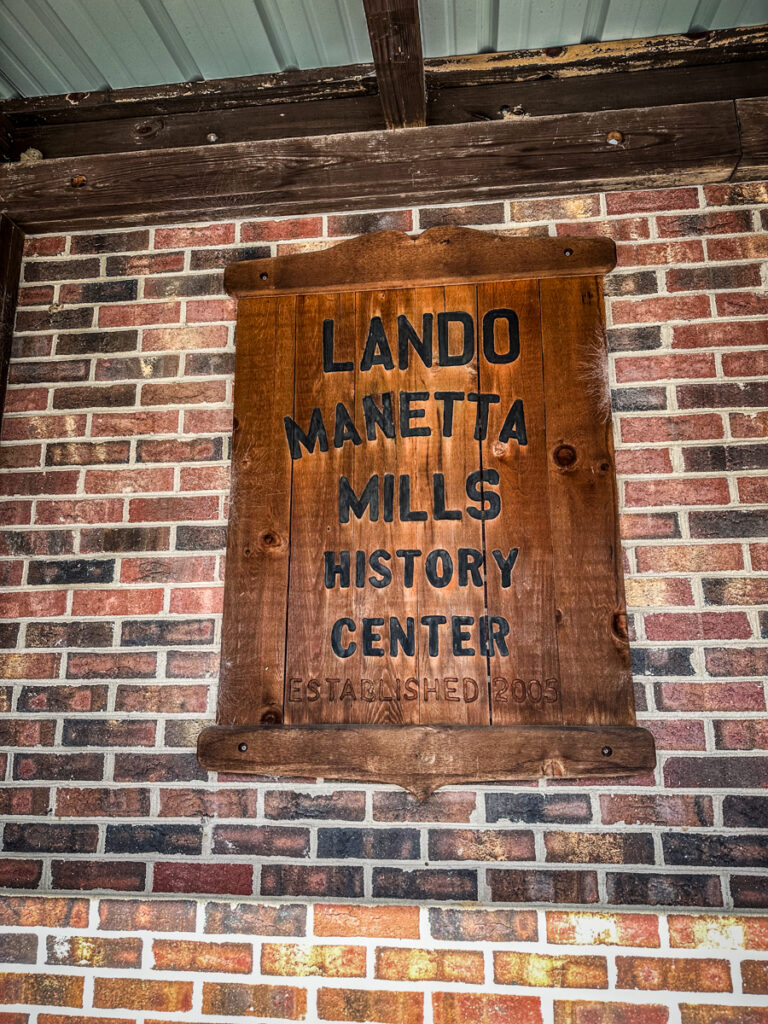
The next stop was the old company store, which now houses the Lando Manetta Mills History Center. The center was closed, and only opens on the weekends, but we walked around taking some photos.

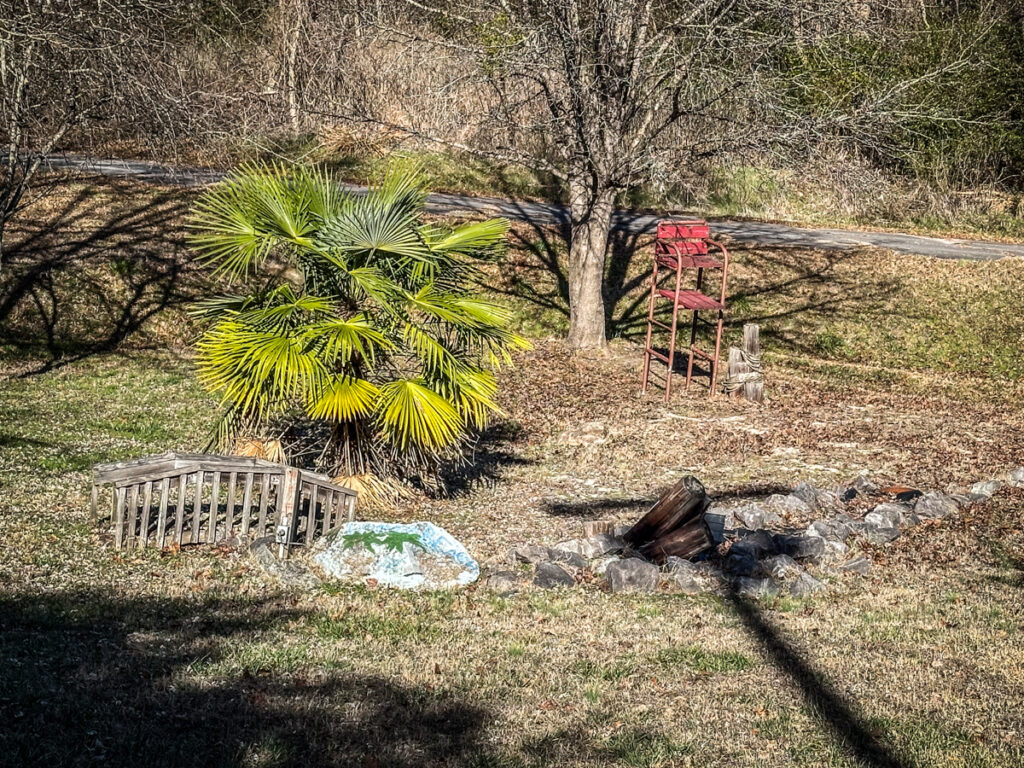
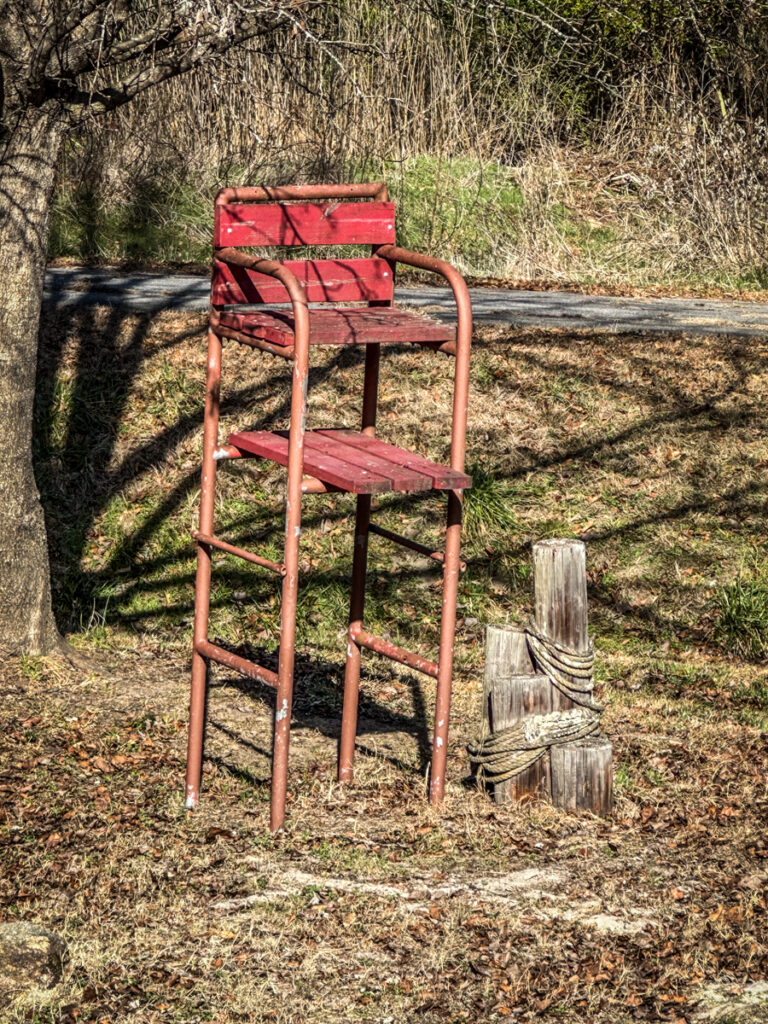
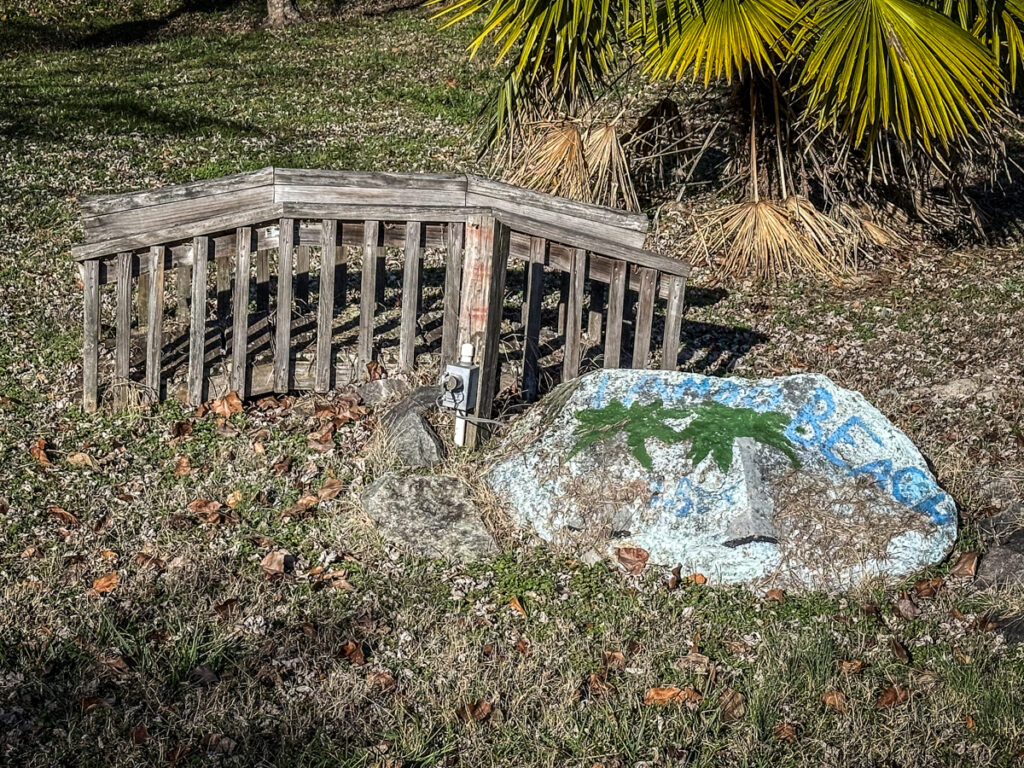
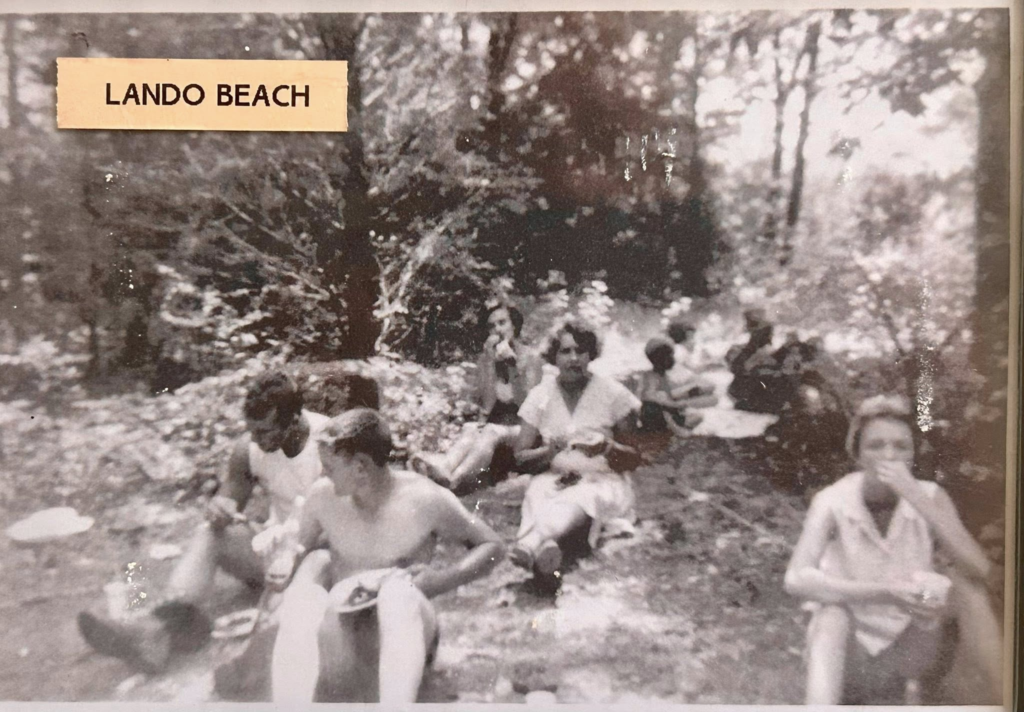
Next to the building was a small park with a tiny bridge, a lifeguard chair, and a rock with the painted phrase “Lando Beach.”
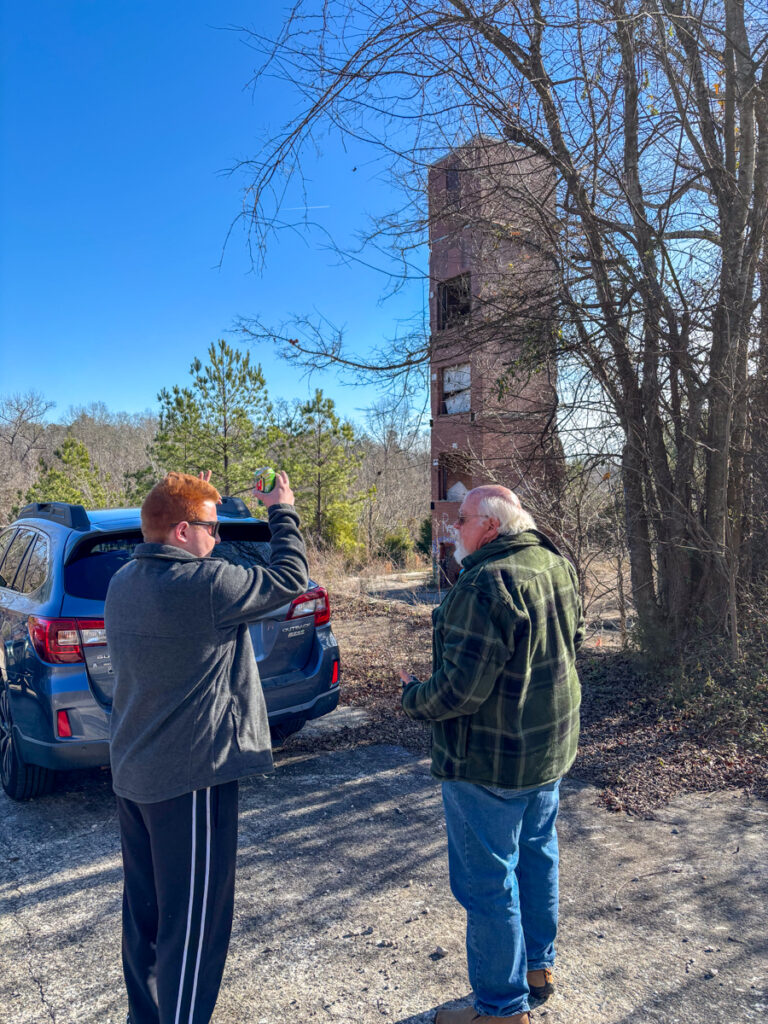
Alan has said that on these explorations I always seem to run into that “one guy what knows stuff.” Today would be no different. I was flying my drone to get some overhead shots of the company store when a car pulled up behind mine. A young man got out and asked if he could help us or if we had any questions. Turns out Kaleb Perry was a volunteer at the history center and was that guy. At only 19 he was very knowledgeable about the area and was more than willing to talk about it. Our morning was about to take a very different turn.
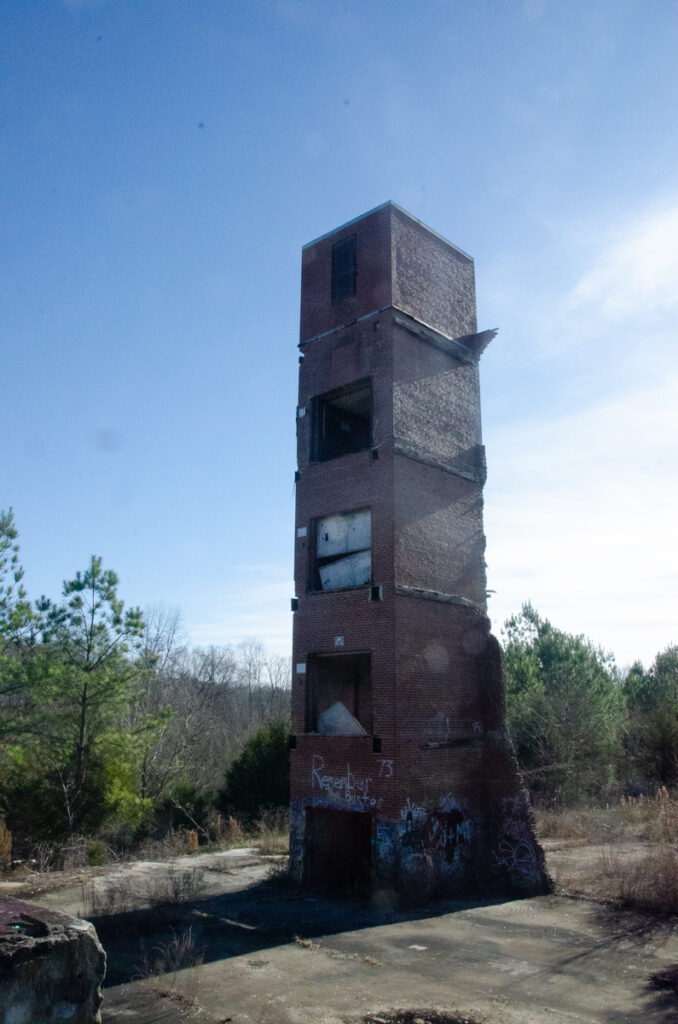
Kaleb offered to take us down to the old mill site. We followed him around to the only remnants of Manetta Mill, an elevator shaft and some foundations that had been part of the warehouse and loading docks.
From there we headed down toward Fishing Creek. Kaleb was very interested in my podcast and was more than willing to talk on record as we walked. He was even willing to repeat some of the information when I found that my recorder hadn’t been working.
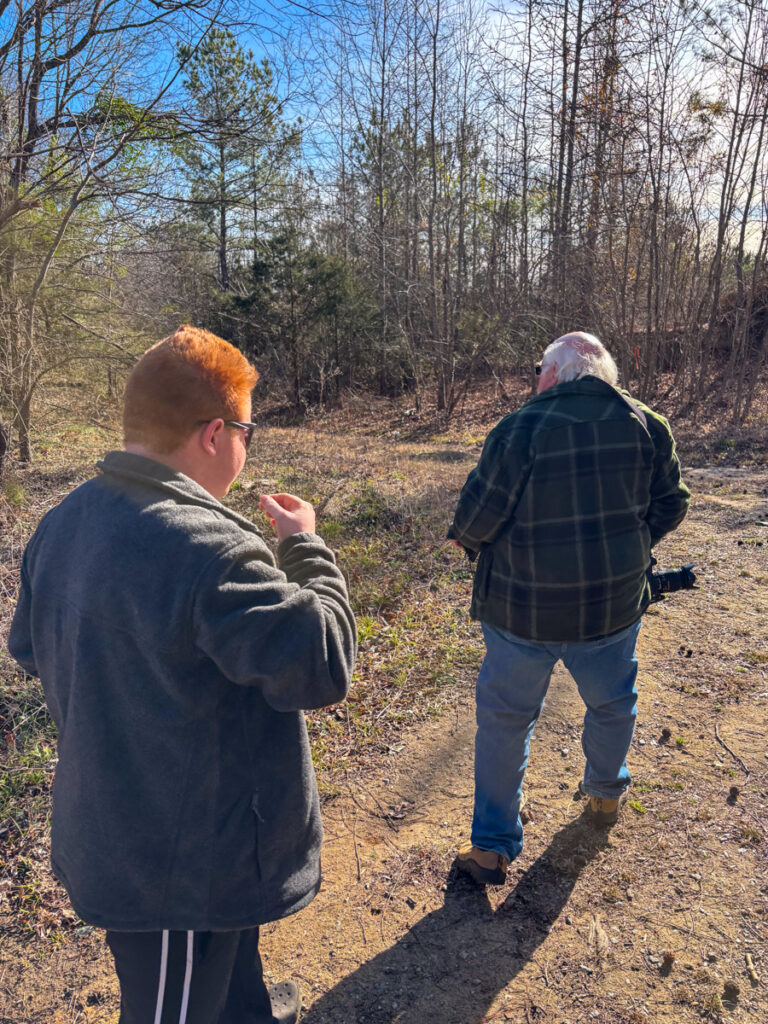

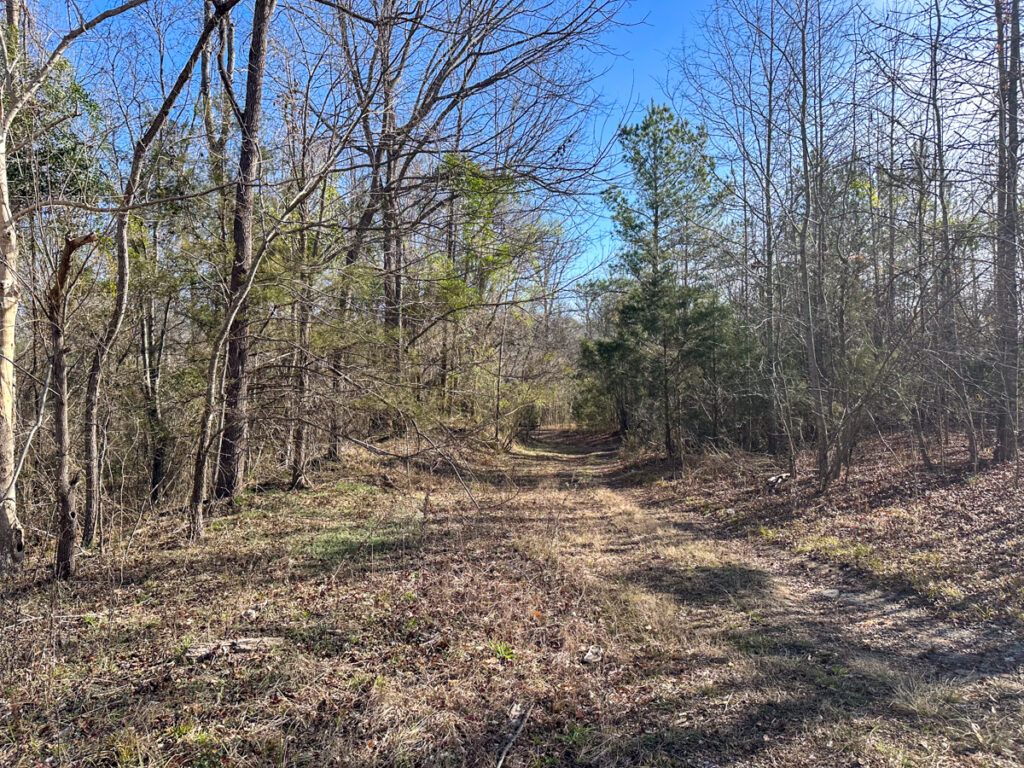
We crossed where the old E&M tracks ran past the mill.
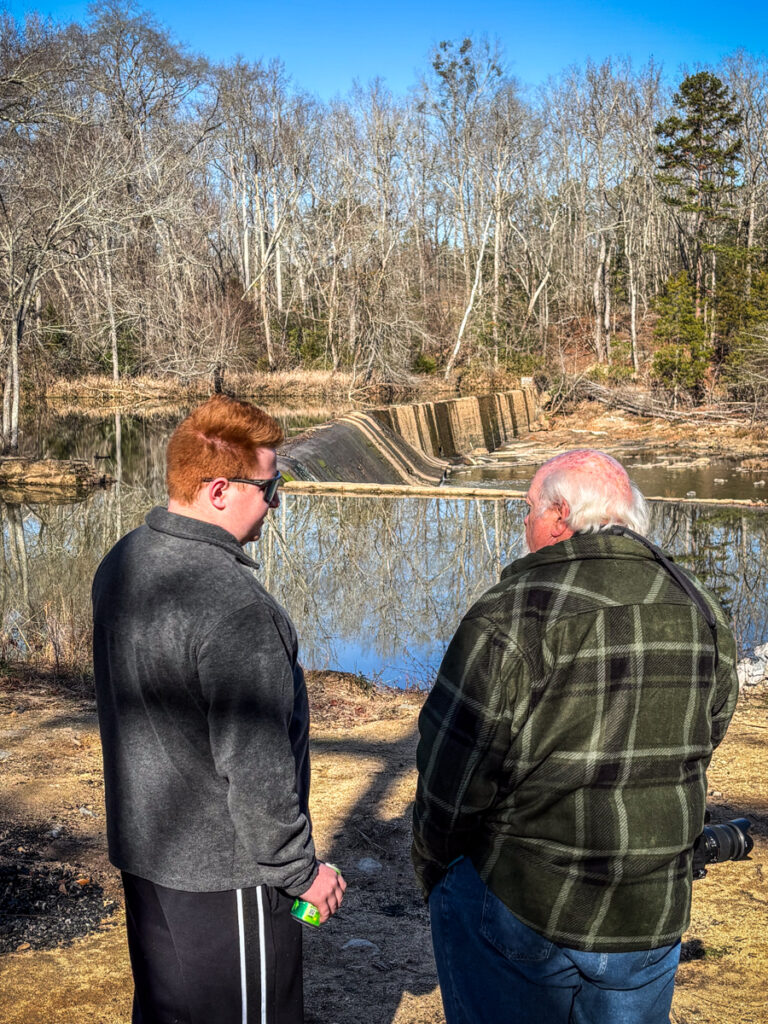
Eventually we reached Fishing Creek and the dam that diverted water to the mill. North of the dam was a railroad trestle for the E&M.
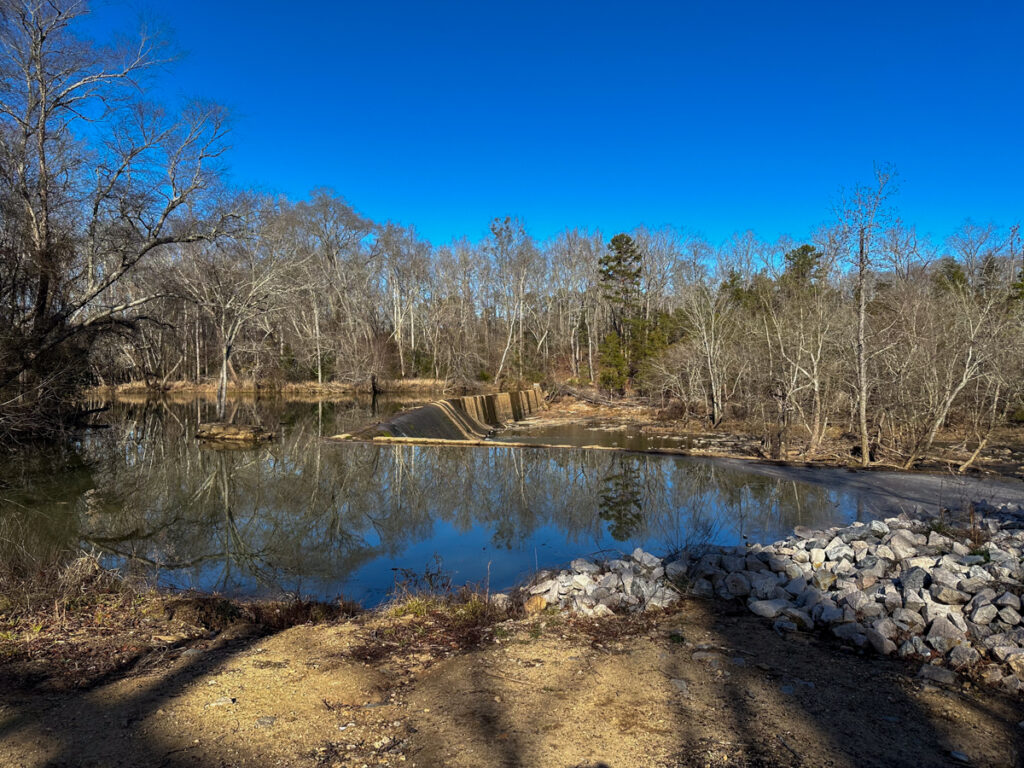
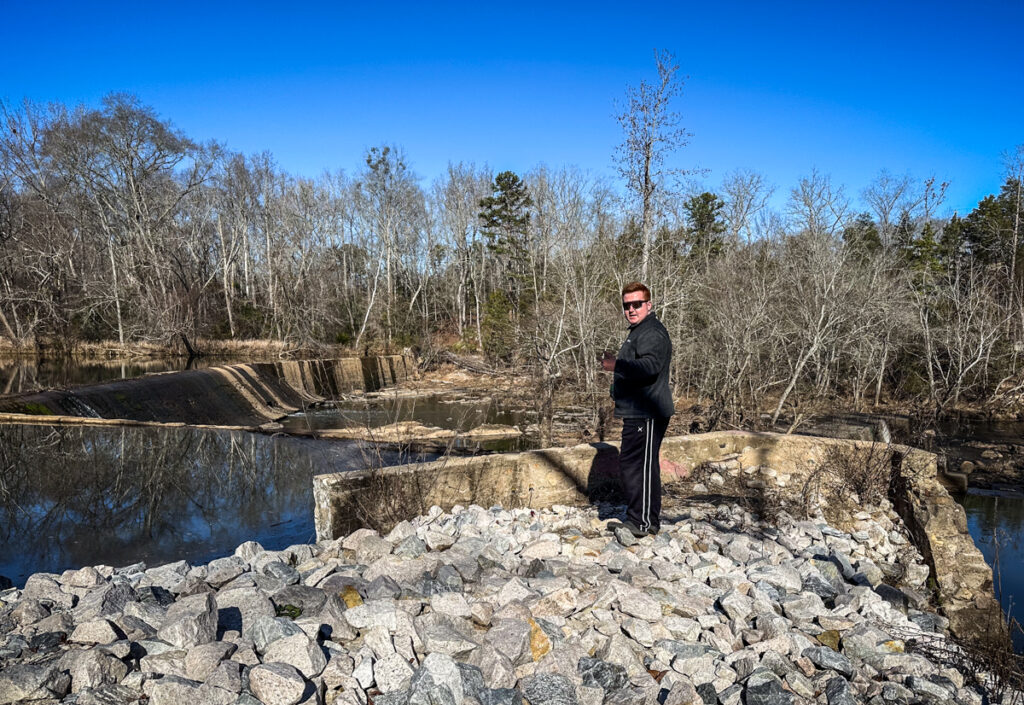
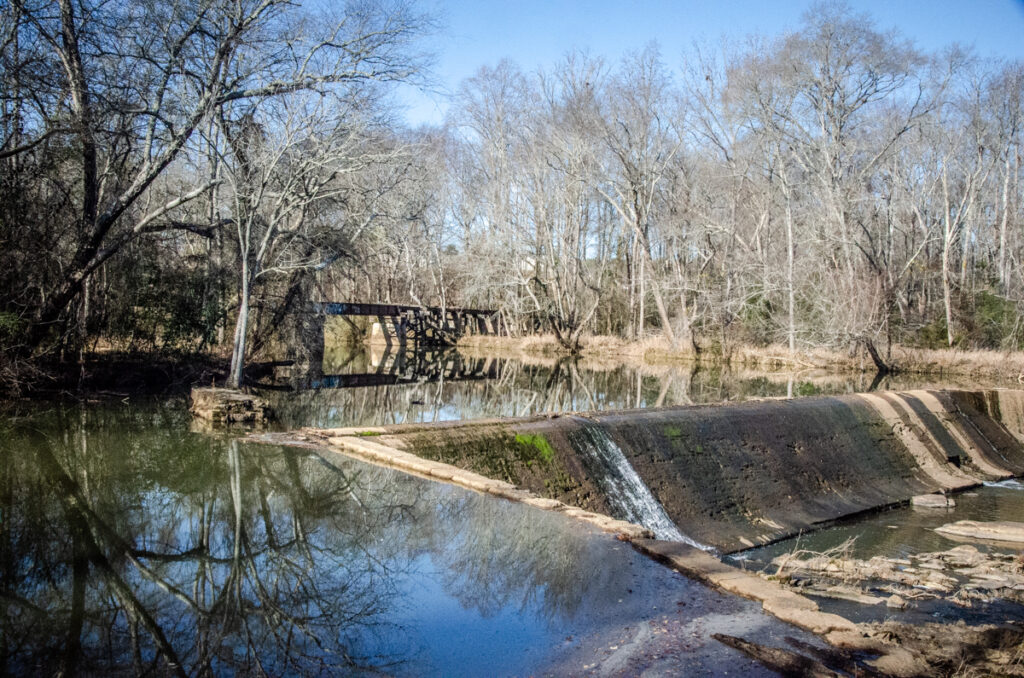
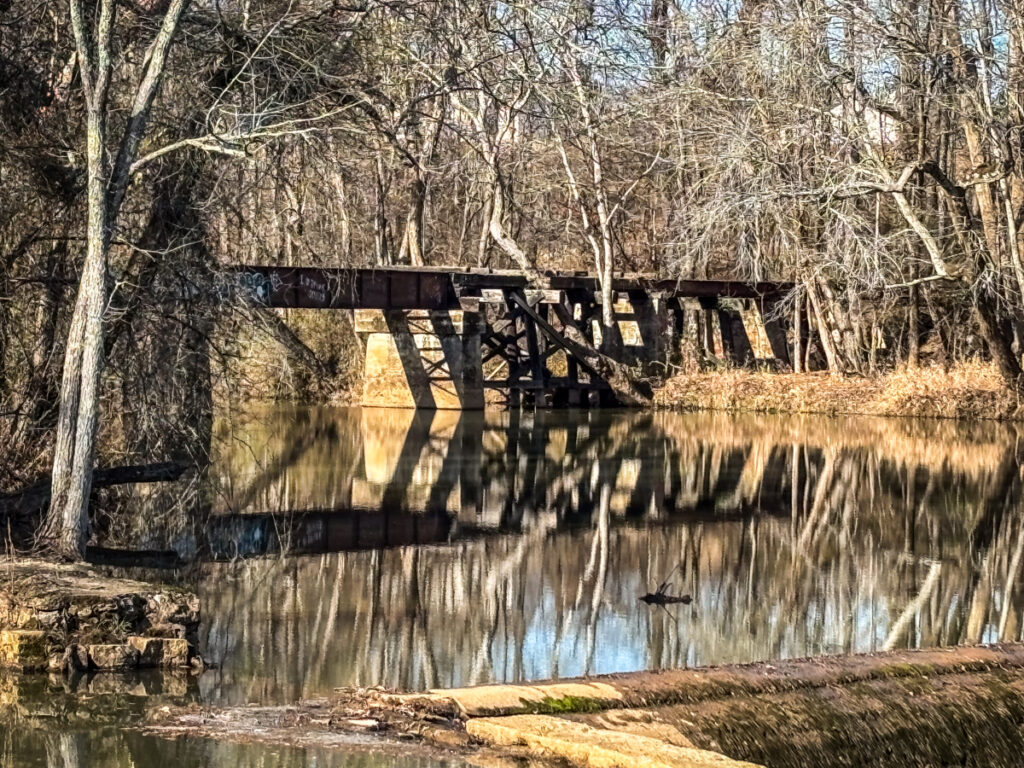
A tailrace canal carried water down to a pumping station to furnish power for the mill.
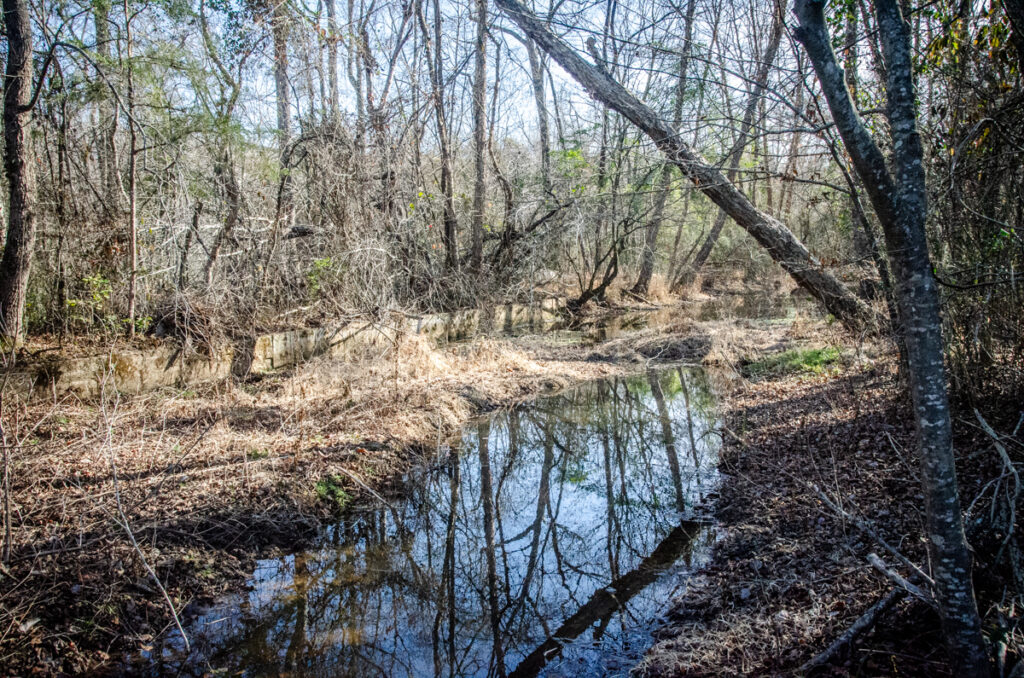
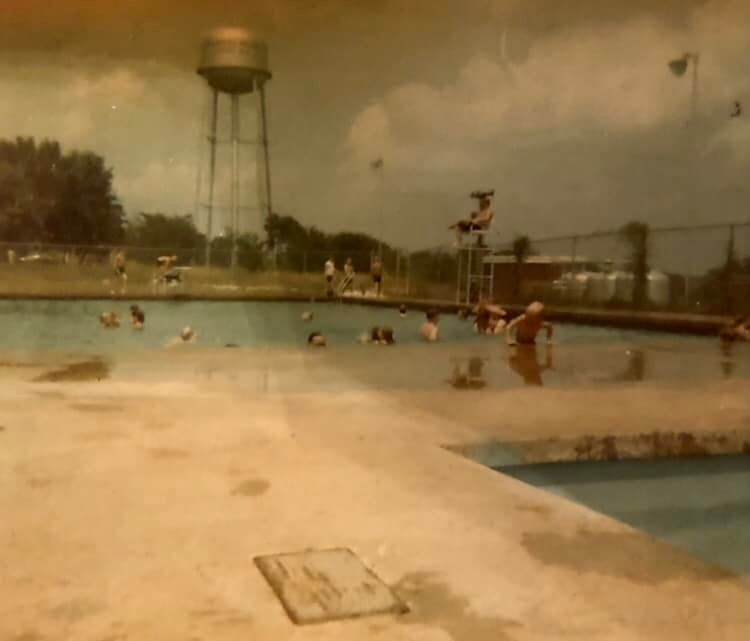
Kaleb told us that the mill pond had been a popular swimming hole. The creek takes a deep bend behind the school, and that place was known as Lando Beach, hence the stone at the history center. Apparently there was a community pool which is where the lifeguard chair came from, but the creek was the preferred venue.
Kids from the community would jump into the pond from the E&M trestle. There was one story about a guy that liked to hang out on the trestle. When a train would come by he would drop down between the railroad ties and just hang on while the train passed over him.
We walked back up to where the train tracks had been and followed them down to the pumping station for the canal. The old pump mechanism was still there.

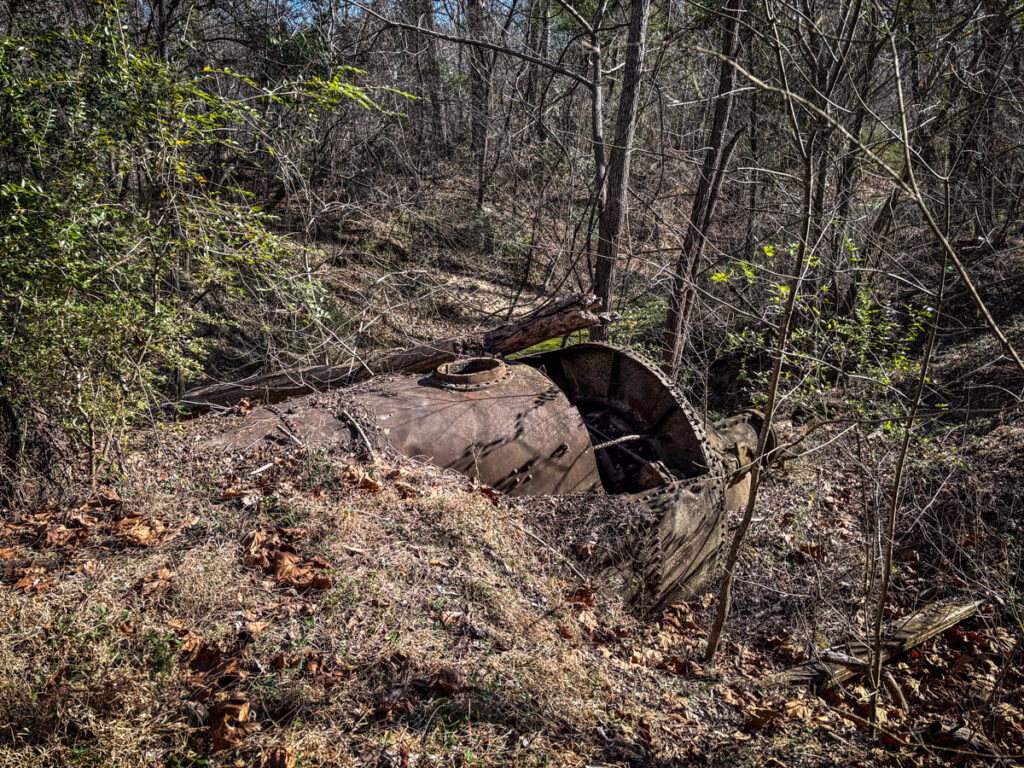

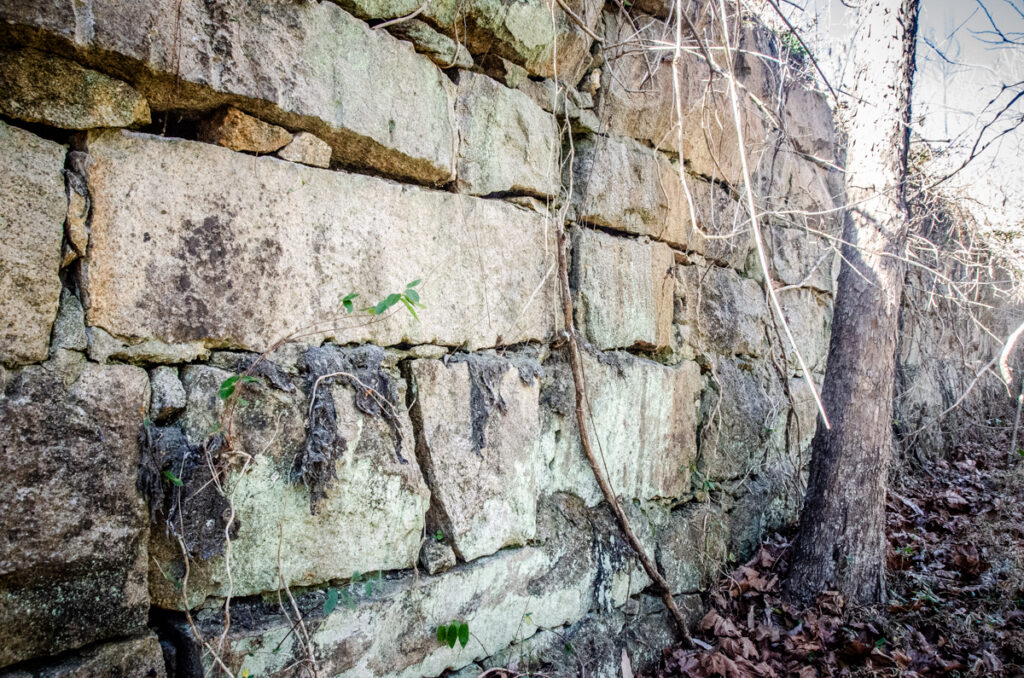
Along the way there were old walls that had once been part of the mill.

Caleb had photos of the mill from when it was in operation, and showed those to us on his phone. I was able to find some of these on the Lando History website and on from other online sources.
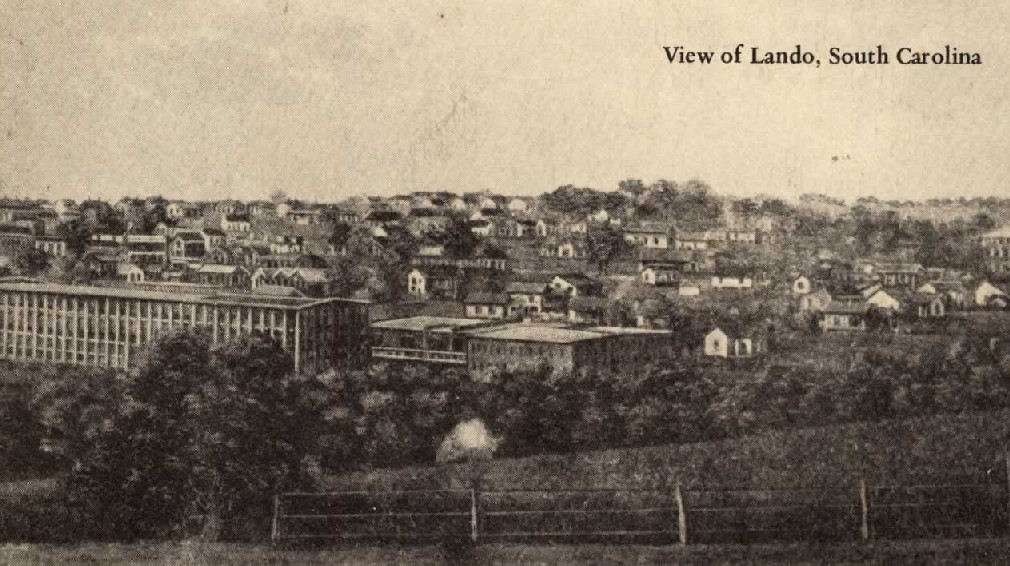
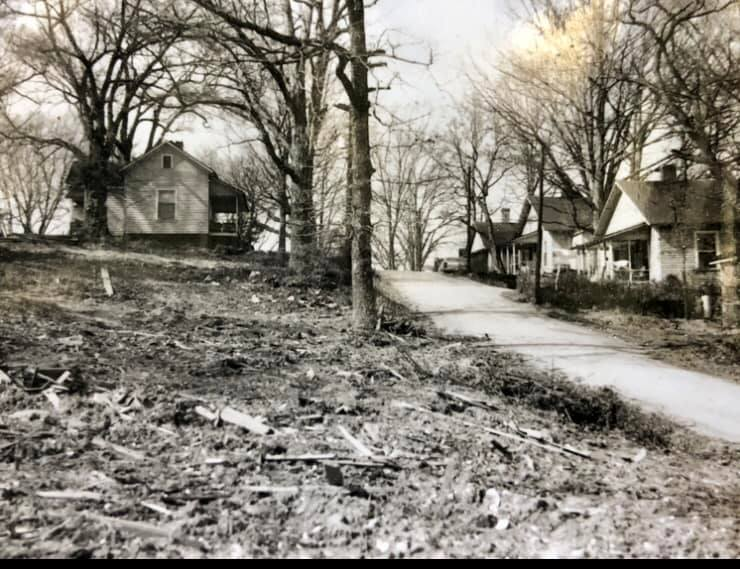
The images show a thriving community with mill houses dotting the surrounding hills. Kaleb said that at one time the mill employed about 2000 operatives.
The Lando History Facebook Page has quite a few vintage images of the mill and community. Where available, I’m going to include the captions from the FB page on the images below:
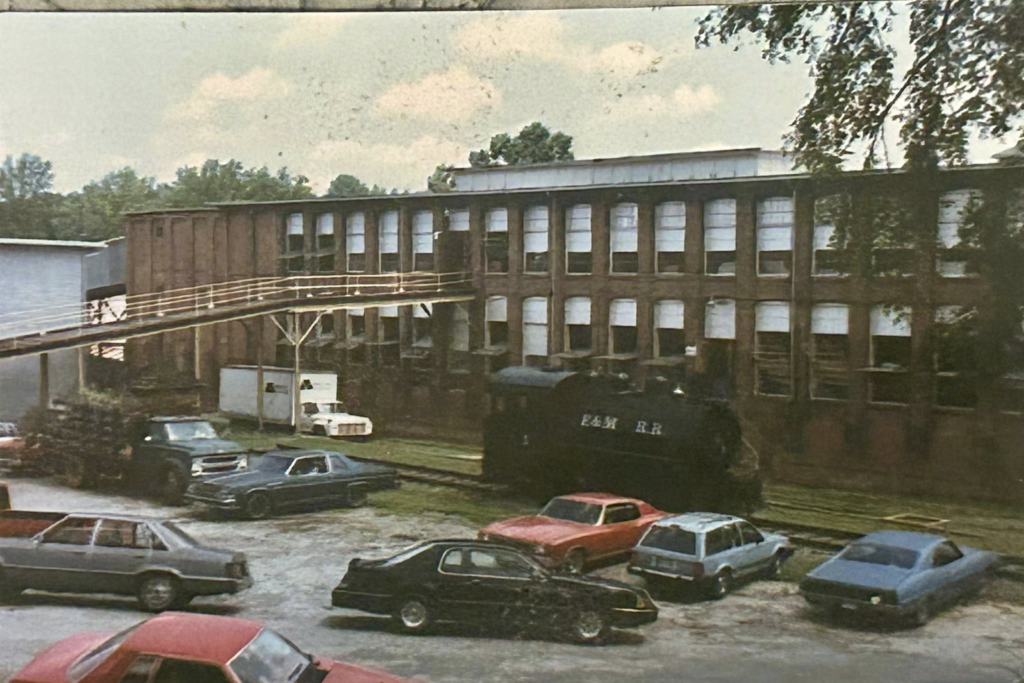
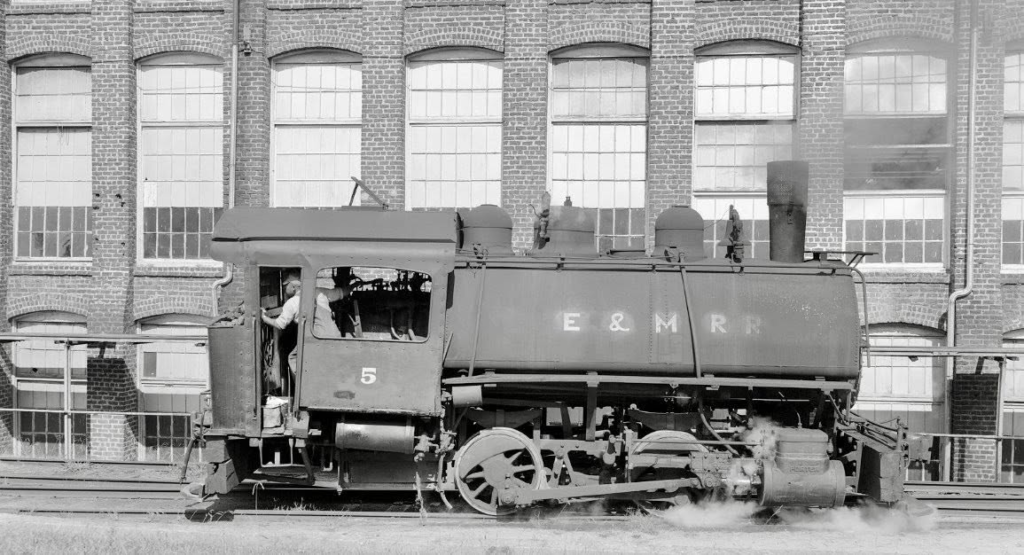
The #5 engine known as the “ Dummy” went in reverse to Edgemoor and forward to Lando. This was by design so the “Dummy” would never turn it’s back on Lando
The E&M Ry is credited as the last commercial non tourist steam locomotive in use until it was decommissioned in 1976
The “Dummy” now sits at the Richburg Community Park”
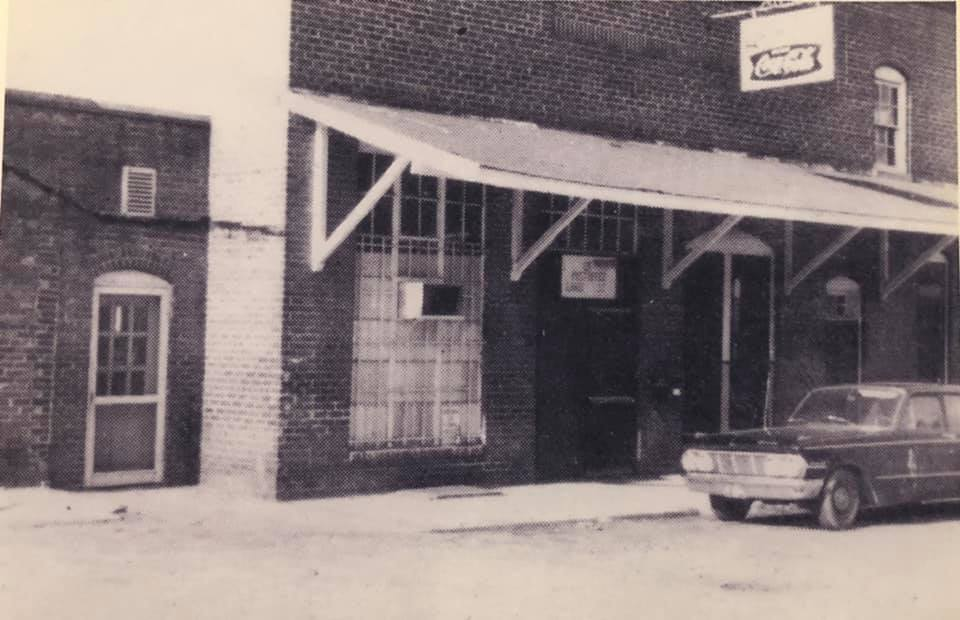
Barber shop is inside door on left
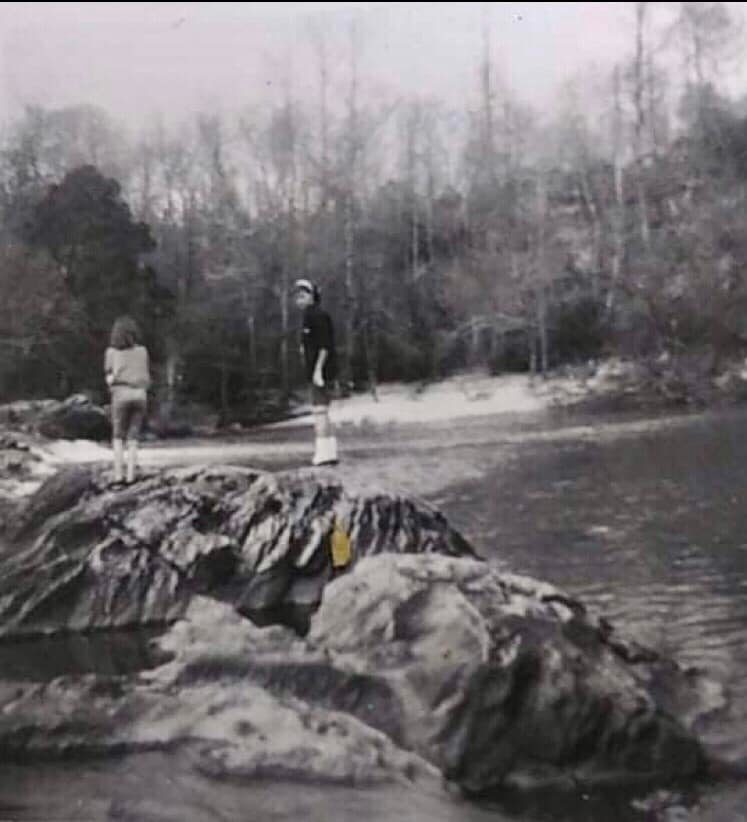
Even though the mill is closed and the town is gone, this is still an active community. There is an Arts Festival in the Spring and Lando Day is held the first Saturday in October. They also have a community Christmas Tree Lighting the last Saturday in November.
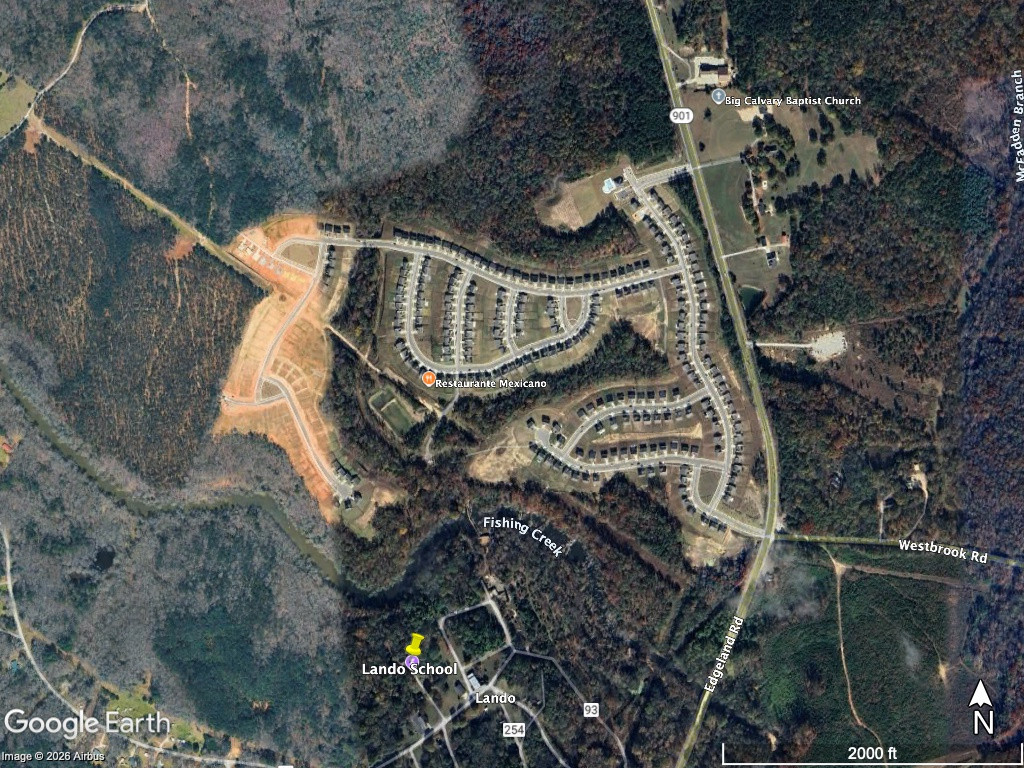
The hills that were once lined with mill houses are now lined with tract homes. With its easy access to I-77, Lando and surrounding towns have become bedroom communities for Rock Hill and Charlotte. This image from Google Earth shows a huge development on the other side of Fishing Creek, just north of the mill site.
We walked back to our cars, but we were far from done with our tour. That’s continued on the next page.
Very interesting, as always.